Oshiomhole Urges Tinubu Government to Use South African Companies’ Profits in Nigeria to Compensate Xenophobia Victims

Oshiomhole Urges Tinubu Government to Use South African Companies Profits in Nigeria to Compensate Xenophobia Victims

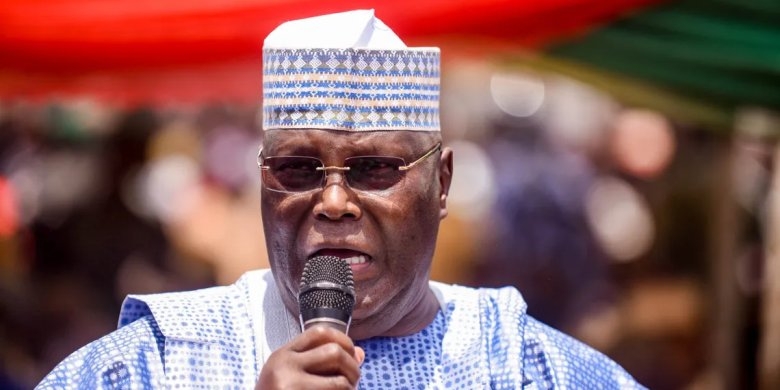
Senator Adams Oshiomhole, representing Edo North in the Nigerian Senate, has called on President Bola Tinubu’s administration to seize profits earned by South African companies operating in Nigeria and use the funds to compensate Nigerians who suffered losses during xenophobic attacks in South Africa. Speaking during plenary in the upper legislative chamber on Tuesday, Oshiomhole made the appeal following South Africa’s refusal to compensate Nigerians who lost property and lives in the wave of violence that swept through the country.

The senator argued that Nigeria should respond in kind to South Africa’s stance, which he described as hostile and unjust. He specifically named Stanbic IBTC, a major South African bank with a significant presence in Nigeria, as one of the companies whose profits should be appropriated. “We cannot allow a situation where our people take taxpayers’ money to pay compensation while South African investment and profit is being taken away untouched,” Oshiomhole stated emphatically.

He emphasized that the compensation for victims of xenophobia should come directly from the earnings of South African businesses in Nigeria. “I urge that the profit be appropriated and used to settle those who have been brutally attacked, whose businesses have been bombed and whose lives have been lost,” he said. Oshiomhole added that the facts of the situation are clear and do not require further investigation, reinforcing his demand for immediate action.

This call comes after South African authorities rejected Nigeria’s request for financial compensation for citizens who were forced to abandon their properties during the attacks. South Africa’s Minister in the Presidency, Khumbudzo Ntshavheni, explained that only legally registered properties could be disposed of through the country’s property market. She noted that informal settlements and squatter camps are illegal under South African law and therefore not eligible for compensation. “There is no compensation that will come from government,” she declared.

The senator’s remarks have reignited discussions about Nigeria’s foreign policy response to the treatment of its citizens abroad. While the government has not yet responded to Oshiomhole’s proposal, the issue continues to draw attention from lawmakers and the public. The demand for justice and reparations for victims of xenophobia remains a pressing concern for many Nigerians, especially those who lost livelihoods and loved ones in South Africa.

As the debate continues, the possibility of economic retaliation against South African businesses in Nigeria may shape future diplomatic relations between the two nations. The situation underscores the need for stronger protection of Nigerian citizens abroad and a more assertive foreign policy stance when their rights are violated.