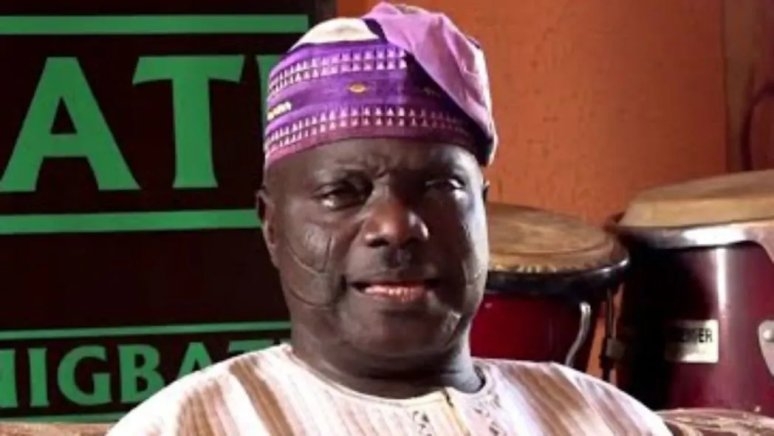
Nigeria’s music industry is in mourning following the death of veteran juju musician Y.K. Ajao, affectionately known as the “Makosa King,” who passed away at the age of 72. The news, which broke on Saturday, has sent waves of grief across the country, with fans, fellow artists, and cultural leaders paying tribute to a man who played a pivotal role in shaping Nigeria’s traditional music landscape. While the exact cause of his death has not been officially disclosed, his legacy as a pioneer of juju music remains firmly intact.
Born in Iseyin, Oyo State, Y.K. Ajao began his musical journey in Ibadan, where he honed his craft before forming his own band, Y.K. Ajao and His Professional Brothers Band. His unique sound, which blended classic juju rhythms with broader African influences, set him apart and earned him a loyal following. He became a household name through his Makosa Series 1 and Makosa Series 2 albums, which were major hits during the genre’s golden era and helped define the sound of Nigerian juju music for generations.
Ajao’s influence extended beyond the stage and studio. He was recognized by music legends such as King Sunny Ade, who publicly honored him during his peak years. His work was not only celebrated for its artistic merit but also for its role in preserving indigenous music traditions. He brought academic insight into his performances and recordings, contributing to efforts aimed at keeping Nigerian heritage alive through music.
The outpouring of tributes following his death highlights his deep impact on the industry. Juju star Sir Shina Peters, who shared a close bond with Ajao, described him as more than a colleague — a brother whose music would continue to inspire. “His legacy lives on in every note he played and every song he composed,” Peters said in an emotional statement. Fans across social media echoed similar sentiments, sharing memories of his performances and the joy his music brought to their lives.
Y.K. Ajao’s passing marks the end of an era for juju music in Nigeria, a genre that once dominated radio stations and cultural events nationwide. His contributions helped bridge the gap between traditional rhythms and modern audiences, ensuring that juju music remained relevant and respected. As the nation mourns, his music continues to resonate in homes, streets, and festivals across the country.
The death of Y.K. Ajao serves as a reminder of the enduring power of Nigerian music and the importance of preserving its roots. His work will undoubtedly influence future generations of musicians, ensuring that the spirit of juju music lives on.



Leave a Comment