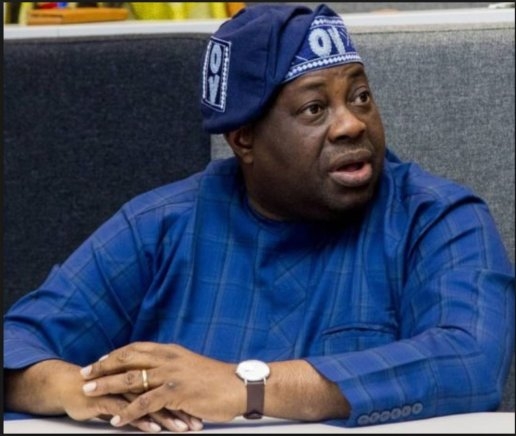
Momodu highlighted Peter Obi’s strong performance in the 2023 presidential election, where he secured the third-highest number of votes nationwide. This, he argued, means the ADC would not need to expend excessive effort to mobilize Obi’s existing support base. “Peter Obi came third in the last election, so you don’t have to work too hard to maintain and attract the same group of people who love him,” Momodu stated, underscoring the electoral potential of combining Obi’s grassroots appeal with Atiku’s experience and national network.
Beyond the ADC’s internal dynamics, Momodu also pointed to growing anxiety within the ruling All Progressives Congress (APC). He claimed the APC leadership is visibly unsettled by the prospect of a united opposition front, with several prominent political figures now aligning under the ADC banner. “They (APC) cannot believe that we will have maybe four or five major opposition leaders in the country, and some people will go and put fire in their houses so that none of them will be strong enough to stand against the leader,” Momodu said, suggesting internal divisions may weaken the APC’s campaign strategy.
He further criticized President Bola Tinubu’s leadership, asserting that despite efforts to consolidate power through appointments and party loyalty, the APC’s confidence is faltering. “It is reality; let’s not hide behind one finger. I keep saying it, Tinubu, Today, despite gathering all the governors, ministers, legislators, and what have you, you can see the obvious panic in the party,” Momodu added, reinforcing his view that the ADC’s emergence is reshaping Nigeria’s political calculus.
As the 2027 elections draw closer, the ADC’s potential to field a united, credible opposition ticket could significantly influence voter sentiment and electoral outcomes. The alliance’s ability to attract high-profile figures like Atiku and Obi may redefine the political landscape, setting the stage for a more competitive and dynamic presidential race.



Leave a Comment