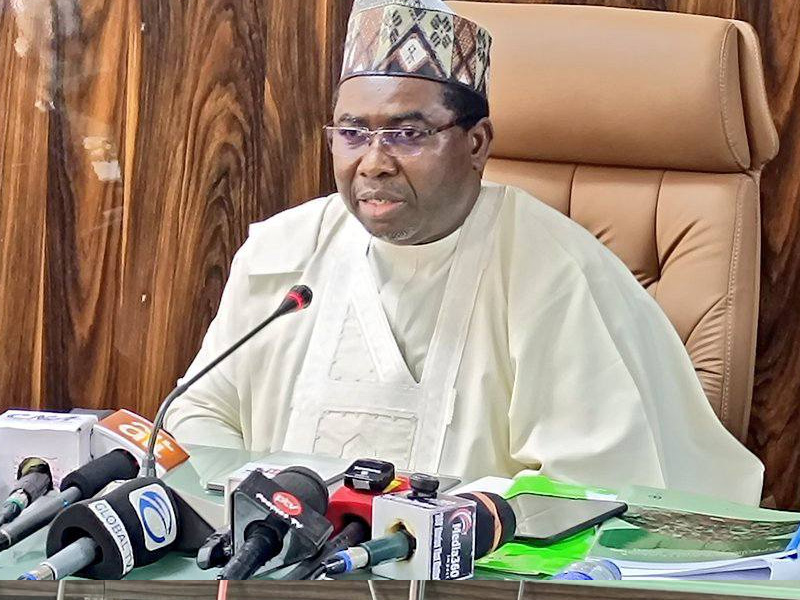
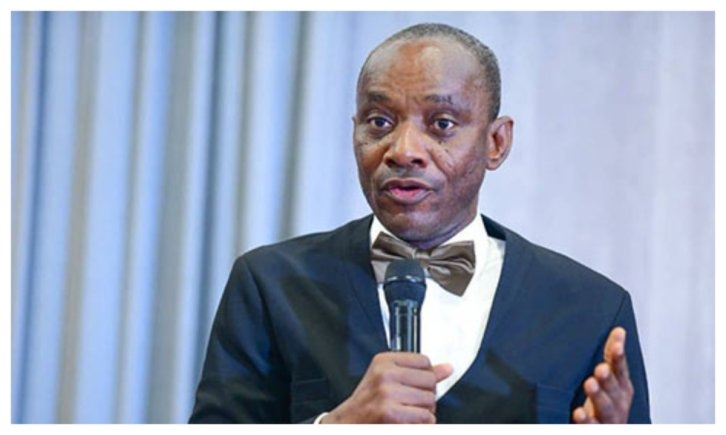
Amupitan also outlined specific rules for political broadcasts, including a 24-hour ban on political messages before election day to prevent last-minute voter manipulation. He warned against hate speech and content that could incite religious or ethnic tensions. Despite these regulations, he acknowledged persistent challenges such as weak enforcement, the illegal sale of airtime, and unfair advantages for wealthy politicians. These issues, he said, distort fair competition and erode public trust in the electoral process.
To address these problems, Amupitan called for stronger collaboration between INEC, broadcasting bodies, security agencies, and the judiciary. He urged media houses to prioritize truth and public service over profit-driven reporting. He added that modern elections are fought not only at polling units but also online, where digital narratives can influence voter decisions long before ballots are cast. His remarks come amid growing political tensions, including a recent protest at INEC headquarters by opposition leaders Atiku Abubakar, Rabiu Kwankwaso, Peter Obi, and members of the African Democratic Congress (ADC). They accused Amupitan of colluding with the ruling party to sabotage their chances in 2027.
Amupitan denied the allegations, stating in a recent interview that he is not part of any effort to turn Nigeria into a one-party state. He clarified that INEC’s actions regarding the ADC leadership were based on court orders, not unilateral decisions. As Nigeria prepares for its next general election, the focus on media responsibility and digital integrity will be crucial in ensuring a fair and credible electoral process.

Leave a Comment