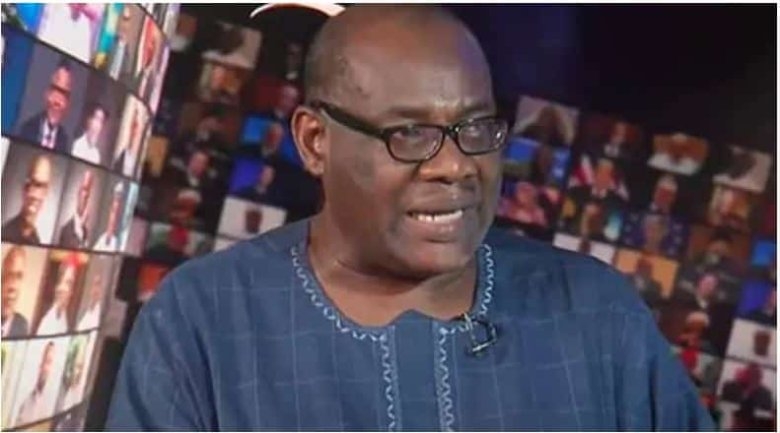
A public affairs analyst, Mahmud Jega, has urged the Independent National Electoral Commission (INEC) to tread carefully amid growing internal turmoil in the African Democratic Congress (ADC), warning that the crisis may be politically engineered. The ADC is currently embroiled in a leadership dispute that has led to the derecognition of former Senate President David Mark and national secretary Rauf Aregbesola. Jega made the remarks during an interview on Arise Television’s ‘Prime Time’ programme on Friday, raising concerns over INEC’s role in the unfolding drama. He emphasized that the commission must avoid appearing complicit in efforts to dismantle opposition parties.
Jega accused INEC of giving the impression that it is part of a broader scheme to weaken political opposition in Nigeria. He pointed out that the opposition initially sought to register the All Progressives Alliance (APA), which later became the African Democratic Alliance (ADA), but INEC delayed its recognition for two years. Now, with the ADC as the next target, Jega warned that similar tactics may be being used to destabilize the party. “The crisis in the ADC is being engineered,” he stated. “The impression INEC is giving is that it is part of the scheme to destroy all opposition parties.” He added that the opposition’s shift from ADA to ADC has not been met with fair treatment, suggesting a pattern of deliberate obstruction.
Meanwhile, Minister of Aviation and Aerospace Development, Festus Keyamo, has criticized the David Mark faction of the ADC for relying on emotional appeals rather than resolving the conflict through legal or political channels. In a post on his 𝕏 account, Keyamo argued that the faction has created its own predicament by failing to address the legal disputes head-on. He urged the ADC leadership to either expedite court proceedings, reach a mutual political settlement, or consider alternative political arrangements to prevent further complications. Keyamo’s comments reflect growing concern over the party’s internal disarray and its potential impact on Nigeria’s political landscape.
The ADC’s leadership crisis has drawn attention from both political observers and government officials, highlighting the fragile state of opposition parties in the country. The derecognition of prominent figures like David Mark and Rauf Aregbesola has intensified the conflict, raising questions about the party’s future direction and stability. As the situation unfolds, stakeholders are calling for transparency and adherence to democratic principles. The outcome of this crisis could set a precedent for how electoral bodies handle internal party disputes in Nigeria. Moving forward, the ADC’s ability to resolve its differences will be closely watched by political analysts and the public alike.


Leave a Comment