At least 287 Nigerians are currently incarcerated in U.S. federal prisons as of May 9, 2026, for crimes including fraud, drug trafficking, theft, romance scams, wire fraud, and sex offences, according to exclusive data obtained by Peoples Gazette. The figures reveal a growing number of Nigerians facing legal consequences abroad, with 18 of them still awaiting final sentencing. The U.S. Federal Bureau of Prisons did not disclose the names of the inmates, but the data provides a detailed breakdown of the offences committed by Nigerian nationals.
Among the 287 Nigerians in U.S. custody, 163 were jailed for fraud, bribery, and extortion—highlighting the persistent issue of financial crime linked to the country. Sixty-one others are serving time for burglary and larceny, while 26 are imprisoned for drug-related offences. Five Nigerians are incarcerated for illegal possession of weapons and explosives, and another five for sex offences. Additionally, four are serving sentences for miscellaneous crimes, and five more for homicide, aggravated assault, counterfeiting, embezzlement, immigration fraud, robbery, and continuous criminal enterprise.
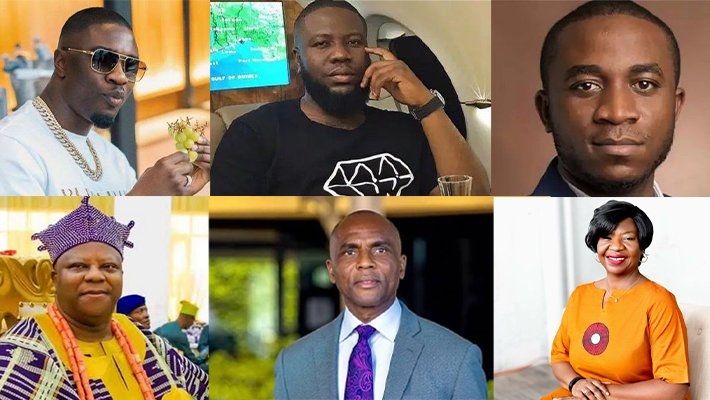
Several high-profile Nigerians are known to be among those detained in American prisons. These include the infamous internet fraudster Ramon ‘Hushpuppi’ Abbas, Forbes-listed businessman Invictus Obi, Oba Joseph Oloyede, the Apetu of Ipetumodu in Osun State, former NNPC chief Paulinus Okoronkwo, and Professor Nkechy Ezeh. Their cases have drawn widespread attention both in Nigeria and internationally, underscoring the global reach of criminal activities linked to the country.
The rising number of Nigerians jailed abroad has sparked concern among experts. Professor Christopher Isike, a scholar of African Politics and International Relations at the University of Pretoria, warned that these cases harm Nigeria’s global image. He explained that such incidents reinforce negative stereotypes associating Nigeria with criminality, which can lead to increased profiling, stricter visa policies, and dehumanizing immigration practices against Nigerians and Africans in general.
Isike also pointed out that Nigeria’s soft power—built on its influence through Nollywood, music, sports, and literary achievements like the Nobel Prize in Literature—is undermined by these criminal cases. He described this as a “dual soft power dilemma,” where positive global perceptions are constantly challenged by negative narratives. He emphasized that the issue extends beyond Nigeria, affecting how Africa is viewed globally, often leading to racialized assumptions that frame Africans as criminals rather than productive migrants.
In the first quarter of 2026 alone, the U.S. Department of Homeland Security identified 110 convicted Nigerian criminals as part of its “worst of the worst” list, further highlighting the scale of the problem. As Nigeria continues to grapple with these international legal challenges, the need for stronger prevention, rehabilitation, and diplomatic engagement becomes increasingly urgent. The situation underscores a critical moment for Nigeria to address the root causes of crime and protect its global reputation.




Leave a Comment