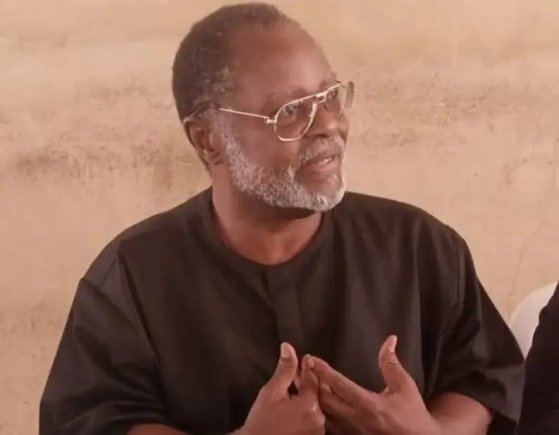
He further argued that Nigeria’s worsening economic conditions will play a decisive role in shaping voter sentiment ahead of the next election. Udenta pointed out that public dissatisfaction with the current administration is growing, with many Nigerians nostalgic for the Buhari era. “For Nigerians to long for the Buhari presidency is indicative of the failures of the Tinubu-led government,” he observed.
Udenta stressed that the President’s performance must be measured by tangible improvements in people’s lives, not just abstract economic indicators. “How were we on May 29, 2023, and how are we today? The response will be clear: We are in a worse situation today than we were under the Buhari presidency,” he said. He added that macroeconomic data like inflation rates or GDP growth will not resonate with voters when they are struggling with hunger and rising costs of living. “What truly matters is the standard of living,” he emphasized.
His remarks come at a time when opposition parties are intensifying discussions about forming a united front to challenge the ruling All Progressives Congress (APC). Analysts believe that a well-structured alliance with regional representation could significantly weaken the APC’s electoral base. Udenta’s comments underscore the growing belief that a strong, balanced opposition ticket has the potential to reshape Nigeria’s political landscape in 2027.
As the election cycle approaches, political strategists and voters alike are watching closely to see how opposition leaders will navigate the challenges of unity, credibility, and regional representation. The 2027 election may hinge on whether a coalition can deliver a message of hope and tangible change that resonates across Nigeria’s diverse regions.



Leave a Comment