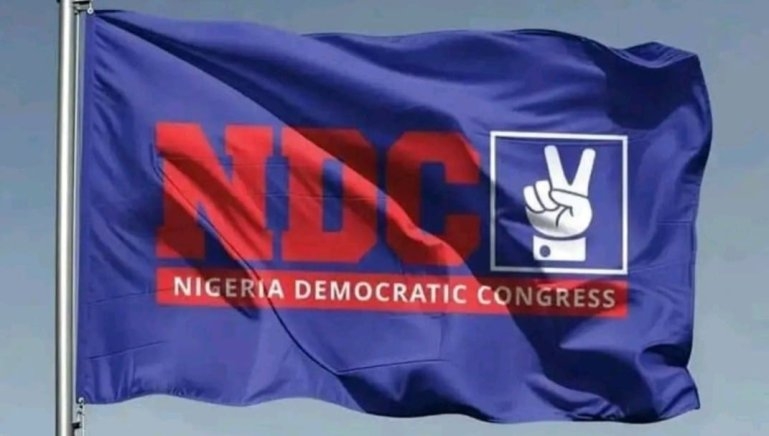
The Kwankwasiyya Movement, a key political support group for former Kano State Governor Rabi’u Kwankwaso, has defended the Nigerian Democratic Congress’s (NDC) decision to zone its presidential ticket to the Southern part of Nigeria, citing national unity as the driving principle behind the move. In a statement delivered on Monday during an interview on Arise Television, Habeeb Saleh, the National Coordinator of the Movement, emphasized that the decision reflects the party’s commitment to a united Nigeria. He stressed that the NDC’s leadership believes in fostering trust and mutual understanding among all Nigerians, regardless of regional or ethnic differences.
Saleh explained that zoning the presidency to the South is not a political concession but a strategic choice aimed at ensuring stability and inclusivity across the country. He argued that such decisions must be made with the broader national interest in mind, not narrow regional agendas. “Zoning the NDC presidency to the South is a product of believing in one Nigeria,” he stated, adding that the party’s actions should inspire confidence among all Nigerians. He further noted that the party’s candidates and leaders must consistently demonstrate their dedication to national unity and development.
The Kwankwasiyya Movement, which has long been a vocal advocate for Northern Nigerian interests, acknowledged that political zoning is a complex issue that requires careful consideration. However, Saleh maintained that the NDC’s decision aligns with its broader vision of national cohesion. He urged Nigerians to support the party’s platform and candidates, saying that trust in the party’s leadership is essential for the country’s progress. “All Nigerians need to be on the same page,” he said, “and they must have confidence that the party and its actors are truly putting the interest of Nigeria first.”
This development comes amid growing discussions about political zoning in Nigeria’s upcoming elections, with various parties and interest groups weighing in on how to ensure equitable representation. The NDC’s decision to zone its presidential ticket to the South has sparked debate, particularly among Northern political stakeholders who have historically pushed for greater representation in national leadership positions. Despite this, Saleh insisted that the move is not about marginalizing any region but about promoting a balanced and inclusive political landscape.
As Nigeria prepares for the next general elections, the NDC’s approach to zoning may influence how other parties frame their own strategies. The Kwankwasiyya Movement’s endorsement of the decision signals a shift toward prioritizing national unity over regional interests, at least within the NDC’s framework. This could set a precedent for how political parties navigate the delicate balance between equity and national cohesion in future elections. The coming months will reveal whether this approach resonates with voters across the country.

Leave a Comment