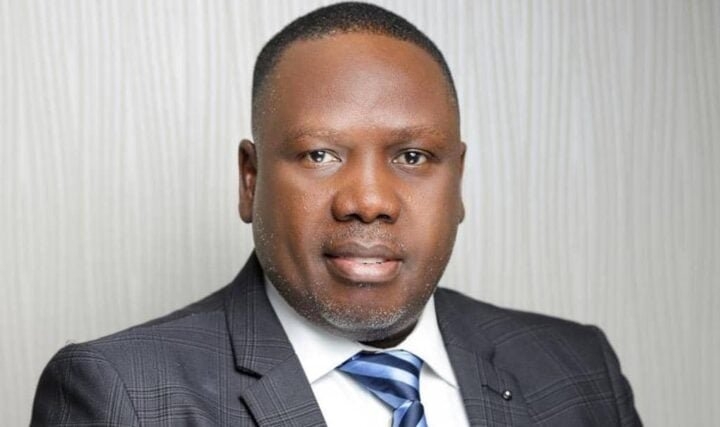
Peter Obi may outpoll Atiku Abubakar in the 2027 presidential election, according to Daniel Bwala, Special Adviser on Media and Policy Communication to former Vice President Atiku Abubakar. Speaking during an interview on Symfoni TV on Friday, Bwala expressed concern over the shifting political landscape and the potential impact on Atiku’s legacy. He highlighted that while Atiku has long been a prominent figure in Nigerian politics, his support base, particularly in the North-West, has not grown significantly over time. Bwala noted that Atiku has never historically commanded strong voter turnout from that region, which could hurt his chances in the next general election.
Bwala’s remarks come as the 2027 elections draw nearer, and political parties begin positioning their candidates. He emphasized that Atiku’s current political standing is weaker than it was during the 2023 election. In that election, the Peoples Democratic Party (PDP) had several governors, senators, and members of the House of Representatives backing Atiku. However, Bwala pointed out that today, there is not a single governor openly supporting Atiku. This lack of state-level endorsement, he argued, could limit Atiku’s ability to mobilize voters effectively across the country.
The former media aide also raised a dual concern: that Peter Obi, the presidential candidate of the Nigeria Democratic Congress (NDC), might either outperform Atiku in votes or finish far behind in the race. He warned that if Obi finishes fourth or lower, it could damage his reputation as a serious political contender. Bwala’s comments reflect growing anxiety within Atiku’s camp about the evolving dynamics of Nigerian politics, especially with younger voters increasingly drawn to candidates like Obi who have built strong grassroots followings.
Obi’s political influence has grown since his 2023 presidential bid, where he emerged as a strong challenger despite not winning. His appeal spans across several states and has attracted support from diverse groups, including youth and urban voters. In contrast, Atiku’s campaign in 2023 struggled to maintain momentum, and his party’s internal divisions have further weakened his position. Bwala’s observation underscores the need for Atiku to rebuild alliances and expand his support base, especially in key regions where he has historically underperformed.
As Nigeria prepares for the next presidential election, political analysts are closely watching how candidates like Atiku and Obi will position themselves. The 2027 race is expected to be highly competitive, with several major parties fielding strong contenders. Bwala’s remarks serve as a reminder that political fortunes can shift quickly, and even seasoned politicians must adapt to changing voter preferences. The coming years will be crucial in determining who emerges as the frontrunner in Nigeria’s next presidential contest.
Leave a Comment