Why Attacks Against Peter Obi Can’t Succeed

Why Attacks Against Peter Obi Cant Succeed

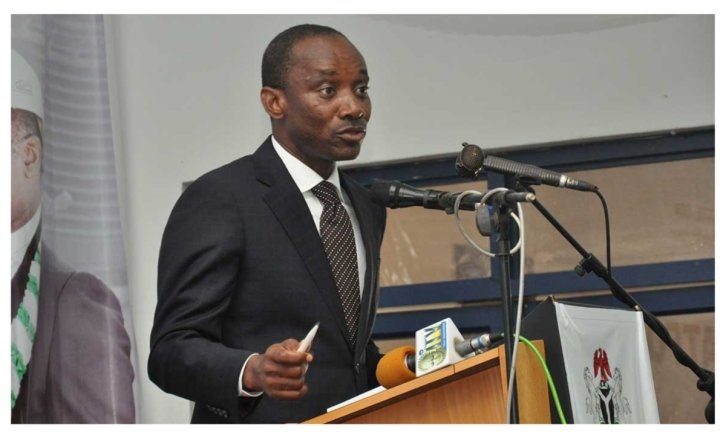
Peter Obi’s enduring political popularity in Nigeria remains unshaken despite ongoing attacks from critics, according to Sam Amadi, Director of the Abuja School of Social Thought and Politics. In a post on X on Saturday, Amadi stated that no credible allegations of corruption or scandal have been proven against the former Anambra State governor, which explains why negative campaigns have failed to damage his public image. He emphasized that unlike other presidential candidates, Obi has maintained a clean record, making it difficult for opponents to launch effective attacks.

The comments came in response to a debate sparked by actor-turned-politician Kenneth Okonkwo, who recently threatened to release damaging information about Obi if his supporters continued to criticize him online. An X user, @RealQueenBee, referenced Okonkwo’s remarks, prompting Amadi to weigh in. He argued that such threats are hollow without factual backing and do not reflect genuine political accountability.

Amadi noted that attacks on Obi are largely rooted in elitist disdain rather than verifiable evidence of misconduct. “Attacks against @PeterObi don’t stick much because he has little or nothing that is scandalous or corrupt,” he wrote. He added that other presidential candidates today cannot claim the same level of integrity, making Obi’s clean record a significant advantage in the political landscape.

According to Amadi, Obi’s reputation has been protected by his consistent performance in public service, particularly during his tenure as governor of Anambra State. His record of governance, transparency, and economic reforms has earned him widespread trust among Nigerians, especially among the youth and middle class. This trust, Amadi said, continues to fuel his popularity even amid political resistance.

He further asserted that Obi remains the best available option among current presidential aspirants. “He is still the best available on presidential slate today,” Amadi declared, underscoring Obi’s unique position in Nigeria’s evolving political environment. Despite sustained criticism and attempts to undermine his credibility, Obi’s support base remains strong and resilient.

The debate highlights the growing polarization in Nigeria’s political discourse, where personal attacks often overshadow policy discussions. As the 2027 general elections approach, figures like Amadi are increasingly vocal in defending candidates who prioritize integrity and service. Obi’s continued appeal suggests that Nigerian voters are increasingly valuing transparency and accountability in leadership. His ability to withstand criticism without losing public support may shape the future direction of Nigeria’s democracy.