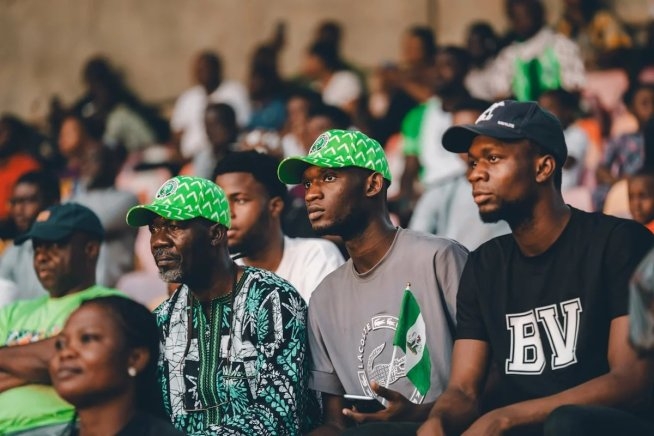
Nigeria’s football development could benefit from adopting talent identification and training systems used in horse racing, as the national team continues to struggle with consistent performance on the international stage. The Super Eagles have failed to qualify for the last two FIFA World Cups and have only advanced beyond the group stage once since 1998, sparking discussions about structural reforms. Experts suggest that by integrating data-driven methods, structured pathways, and scientific approaches—similar to those in elite horse racing—Nigeria can build a more sustainable and competitive football future.
In horse racing, every aspect of a horse’s development is monitored through advanced technology. Wearable devices track heart rates, stride patterns, and physical fatigue, allowing trainers to optimize training and address weaknesses early. This same approach can be applied to Nigerian youth academies, where coaches can use performance metrics to identify players with strong endurance, speed, and physical attributes—not just technical skill. Sprinters from athletics, for example, often possess the explosive speed needed for modern football, and could be recruited through cross-sport talent scouting.
A clear developmental pathway, like the Rider Development Pathway used by the British Horseracing Authority, could be adopted in Nigerian football. This framework connects schooling, training, and career progression into one cohesive system, ensuring that young players receive both football and academic education. This dual focus offers players a safety net if their football careers don’t pan out, while also instilling discipline, respect, and work ethic—qualities essential for success on and off the pitch.
Investing in infrastructure is another critical step. Just as horse racing has seen growth in all-weather tracks in the US and UK, allowing inexperienced horses to gain experience safely, Nigeria could build state-of-the-art soccer complexes in local communities. Training on ideal grass or 4G surfaces helps players develop better technique and consistency, compared to playing on uneven or poor-quality fields. This kind of investment mirrors the long-term vision seen in horse racing, where future success is prioritized over immediate results.
Science also plays a vital role in horse racing, with trainers carefully managing diet, recovery, and mental health for both horses and jockeys. The same principles should apply to Nigerian football. Players need proper nutrition to perform at their best, and governing bodies must take responsibility for their physical and mental wellbeing. Education on healthy eating, recovery protocols, and mental health support should be integrated into academy programs.
By learning from horse racing’s structured, data-driven, and science-based model, Nigeria can create a more resilient and competitive football system. The long-term goal is not just to produce more players, but to build a sustainable pipeline of world-class talent capable of delivering consistent success for the Super Eagles.



Leave a Comment