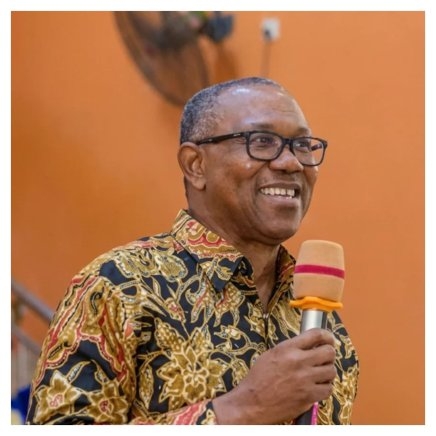
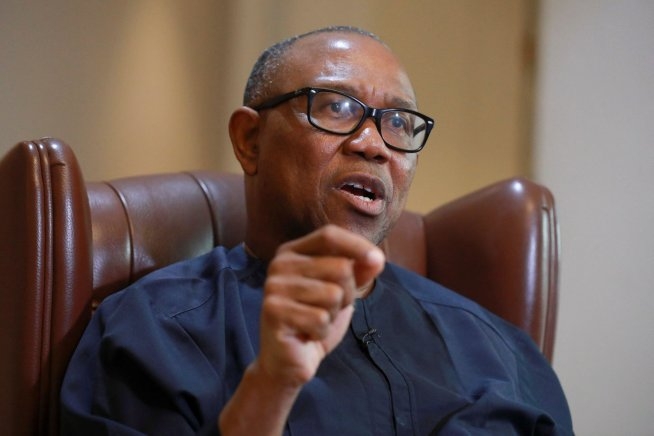
Peter Obi, presidential candidate of the Nigeria Democratic Congress (NDC), has declared his campaign vision for a “productive and prosperous Nigeria,” emphasizing unity, national transformation, and sustainable development as core pillars of his leadership. In a statement released on Wednesday via his official X handle, Obi outlined his commitment to reversing the decline in Nigerians’ quality of life and tackling systemic abuse in government. He pledged to unveil a comprehensive roadmap in the coming weeks, designed to foster peace, equity, and inclusive growth across the nation.
The former governor of Anambra State stated that his presidential ambition is rooted in a deep desire to empower every Nigerian to pursue lawful aspirations in an environment of social justice and fairness. He emphasized that his vision is built on principles of inclusion, unity, and equity, with a focus on transforming Nigeria’s human capital into a powerful engine for national progress. Obi highlighted that education and healthcare are foundational to this transformation and must be reformed with urgency and determination.
He announced plans to establish a task force dedicated to reducing the number of out-of-school children, a critical step toward addressing Nigeria’s educational challenges. Obi also stressed the importance of expanding Technical and Vocational Education and Training (TVET) to support industrialization, particularly in agriculture and value-added sectors. He proposed setting up industrial parks in development zones across Nigeria’s six geopolitical zones to stimulate local production and create jobs.
To strengthen TVET, Obi proposed partnerships between government, the private sector, and social entrepreneurs, including faith-based educators, to emulate the German dual education system. This model would integrate classroom learning with apprenticeships in the private sector, ensuring graduates are job-ready. He argued that Nigeria’s high unemployment rate is partly due to a mismatch between available skills and market demands, a gap that must be closed to shift the economy from consumption to production.
Obi also emphasized the need for character and civic education to build trust and promote shared national values. He described trust as essential for both enterprise and leadership, and proposed integrating these values into a tripartite governance model. He believes that robust human capital is the backbone of economic expansion and public service delivery, and that reforming education and healthcare is key to harnessing Nigeria’s demographic dividend.
As Nigeria prepares for the 2027 general elections, Obi’s vision positions him as a candidate focused on structural reform, youth empowerment, and economic self-reliance. His roadmap, if implemented, could mark a turning point in Nigeria’s development trajectory, offering hope for a more unified and prosperous future.
Leave a Comment