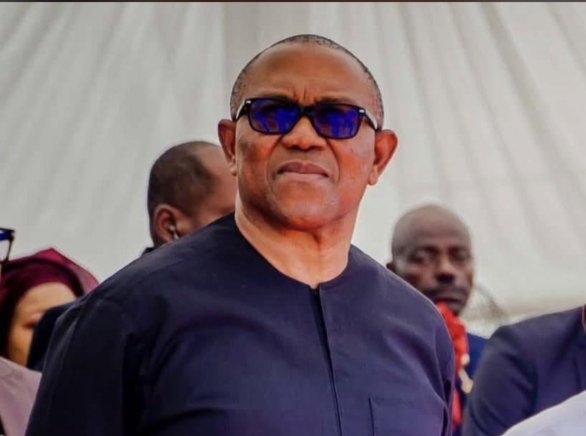
Peter Obi, the presidential candidate of the Nigeria Democratic Congress (NDC), has expressed dissatisfaction over the ongoing leadership crisis within the OK Movement, according to Ladipo Johnson, spokesman for former Kano State Governor Rabiu Musa Kwankwaso. Johnson made the disclosure during an interview with Arise Television, confirming that internal disagreements are currently affecting the movement’s cohesion. However, he emphasized that these tensions will not derail the alliance’s strategic plans ahead of the 2027 general election.
The OK Movement, formed to support the Obi-Kwankwaso presidential bid, has faced growing internal friction, with some members reportedly at odds with the leadership. Johnson described the situation as a temporary distraction, cautioning against unilateral actions that could damage the unity of the movement. He stressed that such actions might create unnecessary divisions among supporters, undermining the collective goal of building a strong political platform for the upcoming election.
“Yes, we have, may I call it a distraction at the moment. It is not such, in my own humble opinion, that would lead you to take unilateral actions that could possibly scuttle or bring bad blood within the support base of the person you purportedly want to become the president of the country,” Johnson stated. He urged members to remain focused on expanding the movement’s reach across Nigeria rather than engaging in internal conflicts.
Johnson also confirmed that Peter Obi has been briefed on the developments and is clearly displeased with the situation. “I saw the presidential candidate last night along with the DG. He’s not happy about the whole situation,” Johnson revealed. This indicates that the leadership crisis is not being taken lightly by the top leadership of the alliance.
Despite the current challenges, Johnson expressed confidence that the disagreements can be resolved through dialogue and mutual understanding. He highlighted that the core issue stems from differences between certain members and the movement’s leadership, but stressed that these are manageable. The priority, he said, remains to strengthen the movement’s foundation and ensure it is ready to compete effectively in 2027.
The OK Movement’s ability to overcome internal challenges will be critical in shaping its electoral prospects. As Nigeria prepares for the next general election, the unity and stability of political alliances will play a decisive role in determining voter support. The resolution of this crisis will be closely watched by political analysts and supporters alike, as it may influence the broader dynamics of Nigeria’s 2027 presidential race.
![Abia Guber Candidate Fumes Over N150 Million Billboard Cost: "Where Will I Get It?" [VIDEO]](https://www.nigerianupdates.com/wp-content/uploads/2026/07/Doris-Ogala.jpeg)

Leave a Comment