
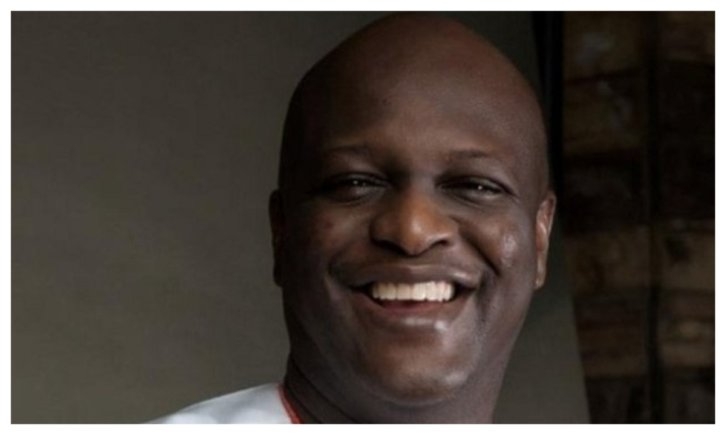
Peter Obi’s move from the African Democratic Congress (ADC) to the Nigerian Democratic Congress (NDC) has been described as a political survival tactic by Prof Okey Ikechukwu, Executive Director of Development Specs Academy. Speaking on Tuesday during an interview on Arise Television’s ‘Morning Show’, Ikechukwu likened Obi’s defection to a person fleeing danger, emphasizing that such a decision is not made for style but for survival. He noted that Obi’s shift, alongside former NNPP presidential candidate Rabi’u Kwankwaso, reflects what he called “strategic porting” — a calculated move to secure a stronger political position.
Ikechukwu explained that Obi’s decision to join the NDC was driven by the need to find a platform that could deliver genuine elections in 2027. He argued that the NDC presents a viable alternative to the current political landscape, one that may challenge the dominance of the All Progressives Congress (APC) and other major parties. “Peter Obi has moved to a platform no one anticipated,” Ikechukwu said, highlighting the unexpected nature of the alliance and its potential to reshape Nigeria’s political dynamics.
The political analyst warned that Obi’s defection forces other parties, especially the APC, to reassess their strategies. “Now those who have to recalibrate are APC and the other parties,” he stated, suggesting that the opposition’s fragmentation could lead to new alliances or realignments. He added that the political scenario is now open for deeper examination, as the argument for a restructured opposition has been brought to the forefront.
Ikechukwu’s remarks come at a time when Nigeria’s political landscape is undergoing significant changes ahead of the 2027 general elections. The defection of high-profile figures like Obi and Kwankwaso signals a shift in party loyalties and voter expectations. These moves are likely to influence party structures, campaign strategies, and voter engagement in the coming years.
Observers believe that the NDC, though relatively new, may gain traction if it can unify disparate opposition voices. The inclusion of Obi, a former presidential candidate with a strong grassroots following, could boost the party’s credibility and appeal. Meanwhile, the APC and other major parties are expected to respond with their own strategies to maintain their dominance.
As Nigeria prepares for its next electoral cycle, the political realignment triggered by Obi’s defection will continue to be watched closely. The implications for party politics, voter turnout, and electoral integrity remain uncertain, but one thing is clear: the 2027 elections may be shaped by decisions made today.




Leave a Comment