North May Reject Obi-Kwankwaso Joint Ticket, Warns Datti

North May Reject Obi-Kwankwaso Joint Ticket, Warns Datti

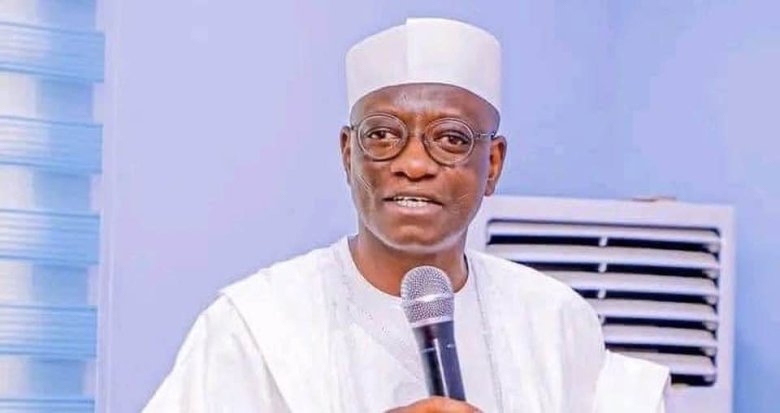
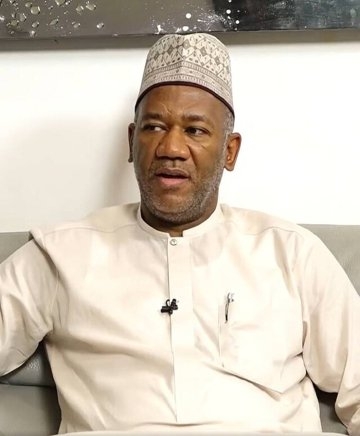
Yusuf Datti Baba-Ahmed, the Labour Party’s vice-presidential candidate in the 2023 general election, has offered a candid assessment of Nigeria’s political landscape, raising doubts about the likelihood of northern political forces uniting behind key opposition figures in future elections. Speaking on the shifting dynamics within the opposition, Baba-Ahmed emphasized that regional alignment continues to play a decisive role in shaping electoral outcomes, even as new alliances emerge. He stressed that while he maintains cordial relations with all major political actors, he avoids naming individuals in public discussions at this stage to preserve neutrality and focus on broader strategic concerns.

Baba-Ahmed recalled a meeting with former presidential candidate Peter Obi in January 2024 at the John Wilson Hotel, where he advised Obi to engage with influential northern figures such as Rabiu Kwankwaso and Nasir El-Rufai. He stated that he had urged Obi to think beyond the immediate 2023 election cycle and plan strategically for future contests, warning that short-term thinking could undermine long-term political success. “If in 2024 you cannot plan for 2027, then I cannot continue to be with you,” he said, highlighting the need for foresight and sustained political strategy.

He questioned the consistency of political alliances, pointing out that some actors who did not support certain candidates in 2022 and 2023 are now positioning themselves differently. “What changed between 2022 and 2023?” he asked, suggesting that shifting loyalties may reflect opportunism rather than genuine ideological convergence. Baba-Ahmed also noted Nigeria’s changing demographics, which are driving demand for younger, more dynamic leadership. However, he cautioned that internal contradictions within proposed political tickets—such as pairing a youthful presidential candidate with an older vice-presidential running mate—could weaken the appeal of such tickets.

He further raised concerns about regional dominance, using Kwankwaso as an example. “The local government is almost his state, the state is almost his region. And this is someone with strong ambition and temperament, who, then, will actually be the president?” he questioned, underscoring the challenge of balancing regional influence with national leadership aspirations. Baba-Ahmed acknowledged that opposition collaboration is theoretically possible but warned that historical voting patterns and internal party dynamics make sustained alliances difficult to achieve.

As Nigerian politicians continue to reposition ahead of future elections, Baba-Ahmed stressed the importance of consistency in party structure and long-term planning. His remarks reflect growing scrutiny over the viability of opposition unity and the complexities of building a cohesive national political front in a deeply regionalized political environment. The coming years will test whether strategic foresight and genuine collaboration can overcome deep-seated divisions and reshape Nigeria’s political future.