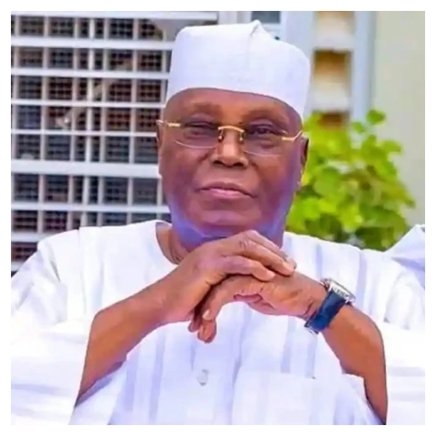
He stressed that Nigerians deserve transparency on how these excess funds are being used. “Where is the money?” Atiku asked, echoing public concerns over the lack of disclosure on surplus oil proceeds. He recalled that past administrations had clear systems for managing excess crude earnings through mechanisms like the Sovereign Wealth Fund and other fiscal buffers. “Today, Nigerians have been left completely in the dark,” he said, adding that a government unable to account for N7.98 trillion in additional oil receipts lacks the moral authority to deepen the nation’s debt.
Atiku also lamented the worsening hardship faced by millions despite the oil windfall and the removal of fuel subsidy. He cited recent United Nations data showing that about 80% of Nigerians cannot afford a decent meal daily, while infrastructure continues to deteriorate. He criticized the administration for failing to invest subsidy savings in roads, healthcare, education, and other critical sectors as promised.
Under an ADC administration, Atiku pledged a new fiscal approach: every kobo earned above the budgeted oil price would be transparently managed, with excess revenues used to reduce debt, strengthen fiscal buffers, and invest in job-creating sectors. He promised regular public reports on excess crude earnings and a commitment to cut wasteful spending, eliminate leakages, and ensure borrowing is only for productive, return-generating projects. “Nigerians deserve answers. They deserve accountability,” Atiku concluded. “Above all, they deserve a government that manages national wealth in the public interest.” The call for fiscal transparency and responsible governance is expected to intensify as the 2027 elections approach.
Leave a Comment