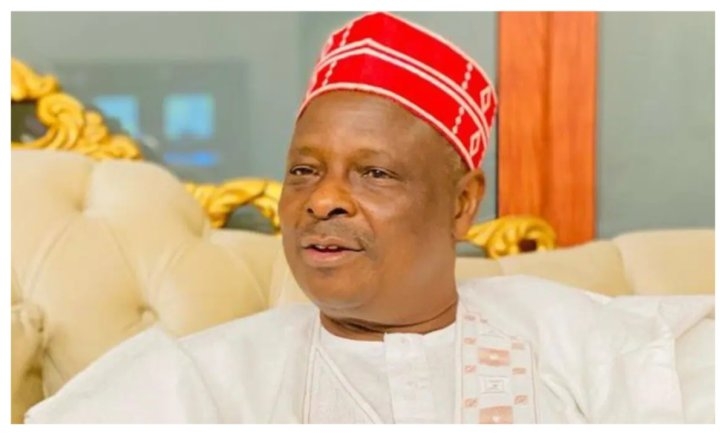
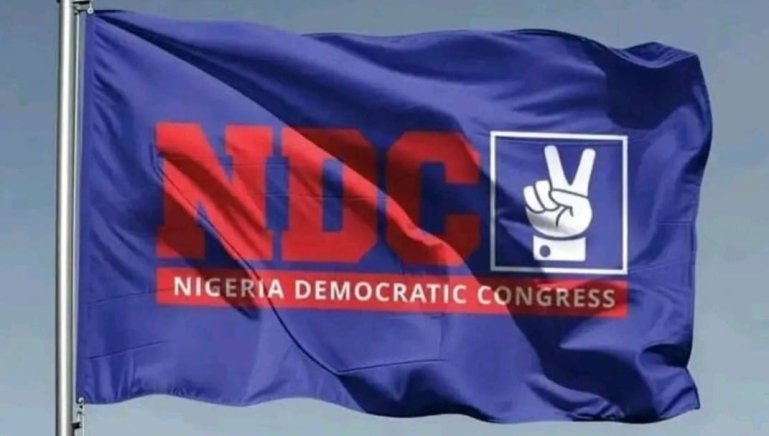
Former Kano State governor Rabiu Musa Kwankwaso’s decision to join the Nigeria Democratic Congress (NDC) is seen as a strategic political move that positions him for significant gains ahead of the 2027 general elections, according to political analyst Hassan Ibrahim. Speaking exclusively to DAILY POST on Tuesday, Ibrahim argued that Kwankwaso stands to benefit regardless of whether the NDC emerges victorious in the upcoming presidential race. He emphasized that the shift from the Alliance for Democracy and Change (ADC) to the NDC provides Kwankwaso with greater control over candidate selection and broader national exposure, enhancing his political influence beyond his traditional northern base.
Ibrahim recalled that Kwankwaso’s earlier negotiations with the All Progressives Congress (APC) collapsed because he insisted on being offered either the presidential ticket or the vice-presidential slot before leaving his former party, the New Nigeria People’s Party (NNPP). This demand highlighted his ambition and strategic thinking, which the analyst believes is now being fulfilled through his alignment with the NDC. Within the ADC, Kwankwaso faced stiff competition for the presidential ticket from prominent figures like former Vice President Atiku Abubakar, Labour Party’s 2023 presidential candidate Peter Obi, and former Rivers State governor Rotimi Amaechi.
The analyst noted that Atiku, who remains a strong presidential aspirant, and Kwankwaso are both from the northern region, making it unlikely they would be paired on the same ticket. This reduces Kwankwaso’s chances of becoming vice president if Atiku emerges as the flag bearer. However, Ibrahim pointed out that Kwankwaso’s prospects improve if the presidential candidate comes from the South, such as Obi or Amaechi, as regional balance would be a key factor in ticket selection.
Another concern raised by Ibrahim is the ongoing court challenges to the ADC’s structure and legitimacy, which have created uncertainty among its leaders. He revealed that both Kwankwaso and Obi are not fully confident in the party’s legal standing, prompting them to consider alternative platforms. The NDC, by contrast, offers a more stable environment and greater autonomy in selecting candidates for governorship, Senate, House of Representatives, and state assemblies.
Ibrahim also highlighted Kwankwaso’s strong grassroots support in Kano, which has been weakened by Governor Abba Kabir Yusuf’s departure from his political camp. This makes a broader national platform more crucial for his political survival and growth. He argued that Kwankwaso’s influence is not solely tied to one region, and his alliance with Obi could help him appeal to southern voters and counter perceptions of ethnic or regional bias.
If the Obi-Kwankwaso alliance succeeds, Ibrahim believes Kwankwaso could become vice president and later contest for the presidency after eight years. Even if the alliance fails, Kwankwaso gains national visibility and strengthens his position as a unifying political figure. His move to the NDC is not just a shift in party affiliation, but a calculated step toward long-term political dominance in Nigeria’s evolving landscape.

Leave a Comment