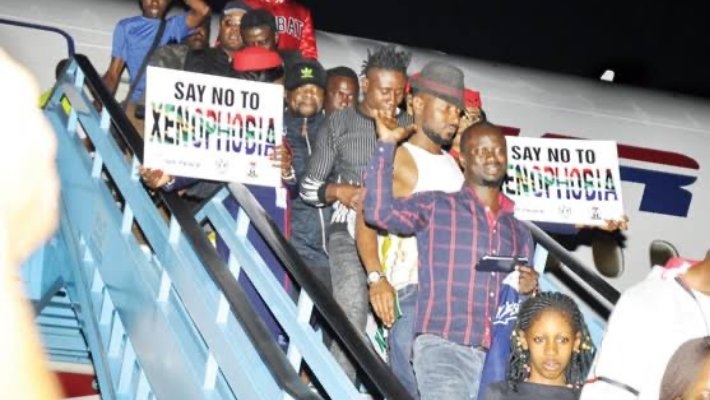
The NUSA official called for stronger government action, including the establishment of a comprehensive repatriation programme, recall of diplomatic staff to exert greater pressure, compensation for victims, increased staffing at Nigerian missions in South Africa, and improved record-keeping of affected citizens. He stressed the need for emergency financial assistance to cover basic needs upon arrival, temporary accommodation, psychological counselling, and medical care for those injured during attacks. He also advocated for skills assessment, vocational training, business grants, interest-free loans, job placement services, and educational support for children whose schooling was disrupted.
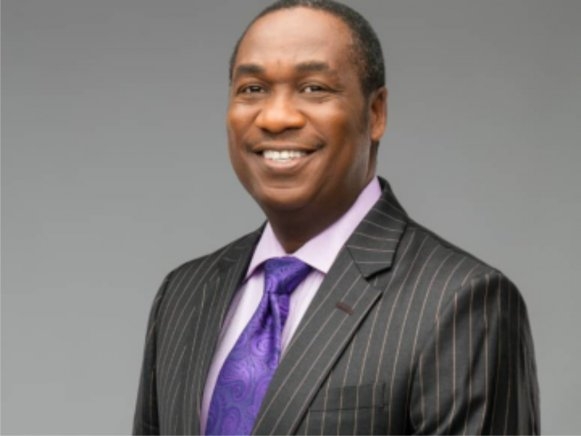
Olunloyo proposed the creation of a “returnee entrepreneurs fund” to support repatriated Nigerians in rebuilding their businesses, with priority access to government contracts, tax incentives, and a dedicated desk within the Nigerians in Diaspora Commission (NiDCOM) to coordinate returnee affairs. He condemned the xenophobic attacks as a betrayal of Pan-Africanism and Ubuntu, attributing them to economic frustrations, misinformation, and inadequate government response. He pointed out that Nigerians contribute significantly to South Africa’s economy, citing Aliko Dangote’s R1 billion Sephaku Cement investment as the largest African foreign direct investment in the country.
Despite some stabilization, Olunloyo described the current situation for Nigerians in South Africa as “cautiously tense,” with ongoing targeted hostility, business disruptions, and persistent anxiety. He warned that without sustained government support, the reintegration of returnees could be jeopardized, affecting both individual well-being and Nigeria’s standing in the global diaspora community. The federal government’s next steps will be critical in shaping the future of repatriated Nigerians and reinforcing Nigeria’s commitment to its citizens abroad.

Leave a Comment