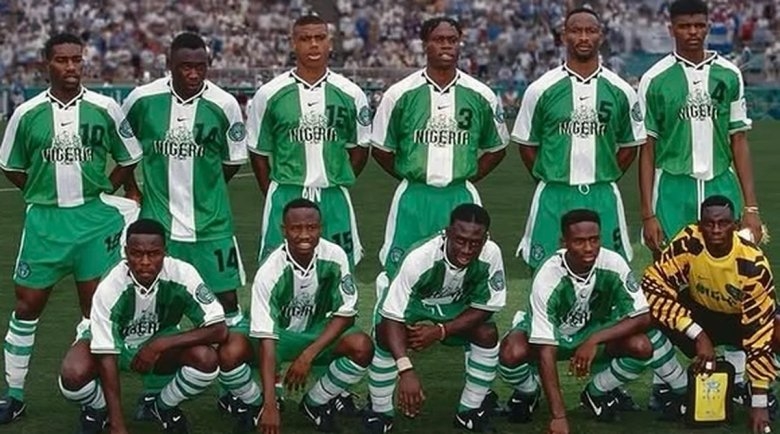
As the first-choice goalkeeper, Joseph acknowledged the fierce competition within the squad, particularly from talented keepers like Abiodun Baruwa and Emmanuel Babayaro. He stressed that no position was guaranteed, and selection was earned through consistent hard work and performance. “I was lucky to be chosen as the number one,” he said, “but we were all looking for an opportunity. I got it.” His role was pivotal in Nigeria’s defensive stability throughout the tournament.
In the group stage, Nigeria secured victories over Hungary (1-0) and Japan (2-0), setting the stage for their most iconic match against Brazil. Facing a star-studded Brazilian side featuring Ronaldo, Rivaldo, and other global icons, the pressure was immense. Yet Joseph emphasized that the team’s belief remained unshaken. “The fear was there, but the determination to advance was also there,” he said. He credited the squad’s collective talent—players like Jay-Jay Okocha, Nwankwo Kanu, and Sunday Oliseh—for matching Brazil’s quality, even if the opposition had greater global recognition.
Joseph highlighted the importance of focusing on the game itself rather than the opponents’ reputations. “We were not looking at players’ faces, but we were focused on the round leather game,” he explained. This mental discipline, he said, was crucial in preventing mistakes and maintaining composure under pressure. “If I had lost a little bit of that concentration and started thinking I was playing against Ronaldo, I might have conceded more than two, three or four goals.” Instead, Nigeria emerged victorious, defeating Brazil and advancing to the next stage.
The triumph marked a defining moment in Nigerian football history, and Joseph’s reflections underscore the power of belief, unity, and focus. As the nation continues to celebrate the legacy of the Dream Team, their journey remains a testament to what can be achieved with determination and collective spirit. The lessons from 1996 continue to inspire future generations of Nigerian footballers.





Leave a Comment