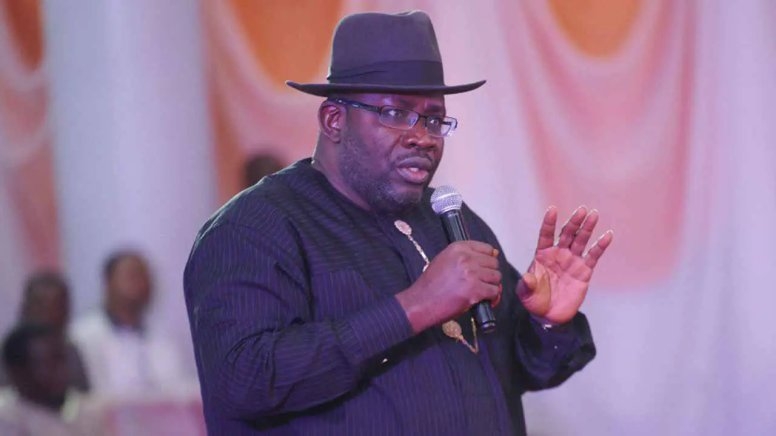
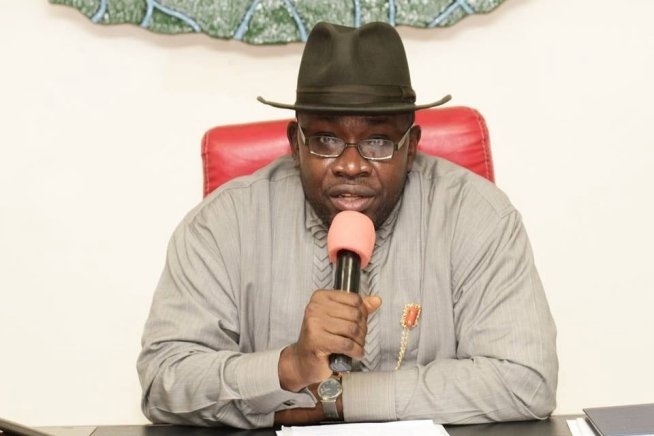
Under the direct primary model, multiple aspirants can independently declare victory based on their own interpretations of results, leading to parallel announcements and conflicting claims. “In a direct primary situation, people go into the field, gather supporters, declare themselves winners and begin to brandish results,” Dickson explained. This environment, he warned, fosters confusion and undermines the credibility of party primaries. He stressed that such disputes are not limited to any one party but are a systemic issue affecting political organizations nationwide.
Dickson’s remarks come amid growing concerns over the integrity and efficiency of Nigeria’s electoral processes. The direct primary system, introduced to enhance transparency and inclusivity, has instead become a flashpoint for legal battles, public protests, and internal party rifts. Critics argue that the system places undue burden on INEC and political parties, particularly those without strong organizational structures. The National Leader of the NDC believes that flexibility in candidate selection methods would better serve Nigeria’s democratic development.
As Nigeria prepares for future elections, the debate over primary systems is likely to remain central to discussions on electoral reform. Dickson’s call for a return to a more adaptable framework underscores the need for a balanced approach that promotes fairness without compromising party unity or administrative feasibility. His comments add to the growing chorus of voices urging a reevaluation of the current electoral framework to ensure smoother, more credible political processes.


Leave a Comment