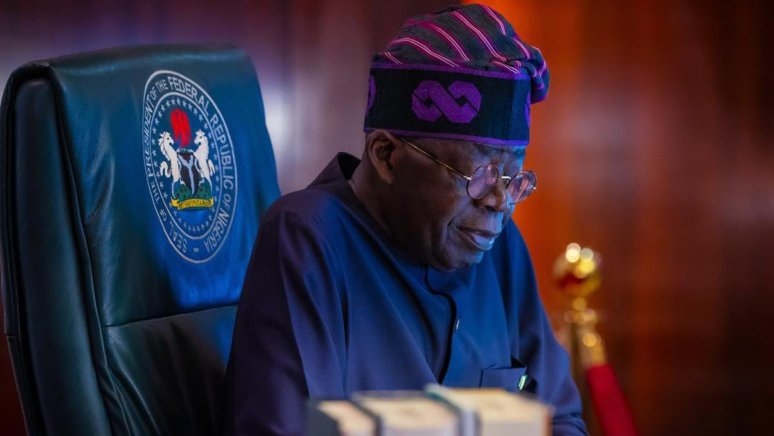
The African Democratic Congress (ADC) presidential candidate, Atiku Abubakar, has called on President Bola Tinubu to deliver on his promise of reducing transport fares across Nigeria, citing the missed deadline as a failure of governance. In a statement shared via his media aide, Paul Ibe, on Thursday, October 1, the ADC camp emphasized that the promised fare reduction was meant to coincide with Nigeria’s Independence Day celebrations. The demand comes as Nigerians continue to grapple with high transportation costs amid economic hardship.
President Tinubu had previously announced during a public address that transport fares would be significantly reduced starting October 2026. However, Atiku’s team pointed out that the date has already passed and no nationwide reduction has been implemented. “October 1 is here. But where is Tinubu’s promised transport fare reduction effective today? It was meant to commemorate our Independence Day,” Ibe wrote on X, formerly Twitter.
He questioned the absence of measurable, nationwide action, stressing that while some progress has been made in converting vehicles to Compressed Natural Gas (CNG) and reducing fares on select routes, these efforts remain limited in scope. According to government reports, CNG refuelling infrastructure currently covers only 23 out of Nigeria’s 36 states and the Federal Capital Territory (FCT). The administration has described full coverage as a multi-phase process still under development.
Ibe further highlighted the irony of Nigeria’s independence, noting that despite being free from colonial rule, citizens are still burdened by poor governance. “Though we may be independent of our colonial masters, we are yet enslaved by bad governance,” he stated, underscoring the frustration among many Nigerians over unmet promises.
The APC-led government has defended its initiatives, pointing to ongoing CNG conversion projects and pilot programs aimed at lowering transport costs. However, critics argue that these measures lack scale and urgency, especially given the rising cost of living and inflation affecting millions of households.
As Nigeria marks another year of independence, the call for accountability grows louder. With elections approaching and public trust waning, the delivery—or failure—of key policy promises like transport fare reductions could significantly influence voter sentiment. The coming months will test whether the government can turn pledges into tangible improvements for ordinary Nigerians.


Leave a Comment