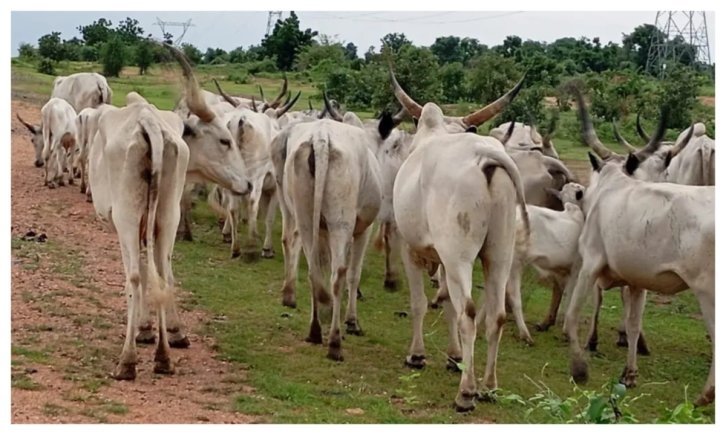
The Adamawa State Government has ordered the disposal of over 70 cattle at the Jimeta Modern Abattoir after the animals were found to have consumed toxic grass in parts of Fufore Local Government Area and adjacent regions in Cameroon. The decision, announced during an inspection of the abattoir, underscores the government’s commitment to public health and food safety. Governor Ahmadu Umaru Fintiri issued the directive as a precautionary measure to prevent the circulation of unsafe meat in the state. Authorities are urging residents to only patronise officially approved slaughter facilities to ensure the meat they consume is safe and properly regulated.
Alhaji Salihu Idris, Commissioner for Livestock and Aquaculture Development, disclosed the development during a press briefing at the Jimeta facility. He emphasized that the government will not compromise on food safety standards, especially when public health is at stake. The commissioner stressed the importance of vigilance and adherence to established protocols in livestock management. He also called on farmers and herders to remain cautious about grazing areas, particularly near borders where environmental conditions may differ.
The Permanent Secretary of the ministry, Dr Mohammed Aminu Suleiman, confirmed that samples of the suspected toxic vegetation would be sent to the Modibbo Adama University Teaching Hospital for comprehensive laboratory analysis. The results will help determine the exact nature of the toxin and inform future preventive measures. This scientific approach ensures that the government’s response is based on evidence and not speculation. The testing process is expected to provide clarity on whether the grass is naturally toxic or contaminated by external factors.
Dr Batholomew Nyalas, Director of Veterinary Services, revealed that the issue was detected during routine monitoring by ministry officials. He highlighted the importance of proactive surveillance in preventing potential public health crises. The swift response, he noted, demonstrates the effectiveness of the state’s animal health monitoring system. Early detection and immediate action are critical in minimizing risks to both animals and humans.
The affected cattle were identified after showing signs of illness linked to consumption of the toxic grass. Officials acted quickly to isolate and dispose of the animals to prevent any contamination of the meat supply chain. The Jimeta Modern Abattoir remains operational, but only after thorough checks and sanitization. The government has also increased patrols in grazing areas to monitor livestock health and prevent similar incidents.
This incident serves as a reminder of the challenges faced in livestock management, especially in border regions where environmental and agricultural practices may vary. The Adamawa State Government’s decisive action reflects its dedication to protecting public health and maintaining trust in the food system. Moving forward, enhanced surveillance and community education will be key to preventing future outbreaks.



Leave a Comment