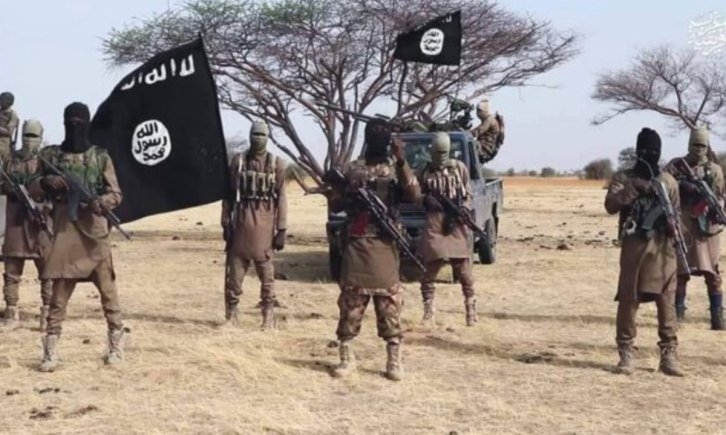
Palpable fear has gripped residents in the Federal Capital Territory, FCT, Abuja, and Niger State following reports of a coordinated attack plan by Boko Haram and Islamic State West Africa Province (ISWAP) fighters targeting key government facilities. The alleged plan, which has sparked heightened security alerts, reportedly aims to strike high-profile locations including the Nnamdi Azikiwe International Airport, Kuje Prison, and a military detention center in Niger State. Security sources suggest the attacks may be intended to free detained insurgents held in correctional centers across the region. The threat has raised alarm among citizens and authorities alike, prompting increased patrols and surveillance in vulnerable areas.
Local and international intelligence reports have confirmed the existence of the planned attacks, though details remain limited. A source within the Nigerian Customs Service acknowledged the circulation of a viral internal memo warning of the security threat but declined to disclose further information. The source emphasized that the memo was meant for internal use and not intended for public dissemination. Despite the lack of official confirmation, the alert has led to visible security tightening around critical infrastructure in Abuja and surrounding areas.
The Commissioner of Police for the FCT Command, Ahmed Muhammed Sanusi, addressed the growing concerns during a press briefing on Wednesday. He reassured the public that the city remains safe and that security agencies are fully prepared to respond to any threats. Sanusi stressed that intelligence gathering and operational readiness are at their peak, and that all necessary measures have been put in place to prevent any potential attacks. His statement aimed to calm public anxiety while underscoring the government’s commitment to national security.
The situation reflects ongoing challenges posed by extremist groups operating in Nigeria’s northern regions. Boko Haram and ISWAP have historically targeted government institutions, prisons, and transportation hubs in their efforts to destabilize the state and release captured members. The proximity of Abuja to these conflict zones has made it a potential target in recent years. While no attacks have occurred yet, the threat underscores the persistent security vulnerabilities in Nigeria’s capital.
Residents in Abuja and Niger State have reported increased military and police presence, particularly around the airport and correctional facilities. Many have expressed concern over the safety of their families and property, with some opting to avoid public spaces during peak hours. Authorities continue to monitor the situation closely, urging citizens to remain vigilant and report any suspicious activities.
As security agencies remain on high alert, the Nigerian government faces mounting pressure to address the root causes of insurgency and strengthen border controls. The potential for a coordinated attack highlights the need for sustained counter-terrorism efforts and improved intelligence sharing among security agencies. The coming days will be critical in determining whether the threat remains a warning or escalates into action.





Leave a Comment