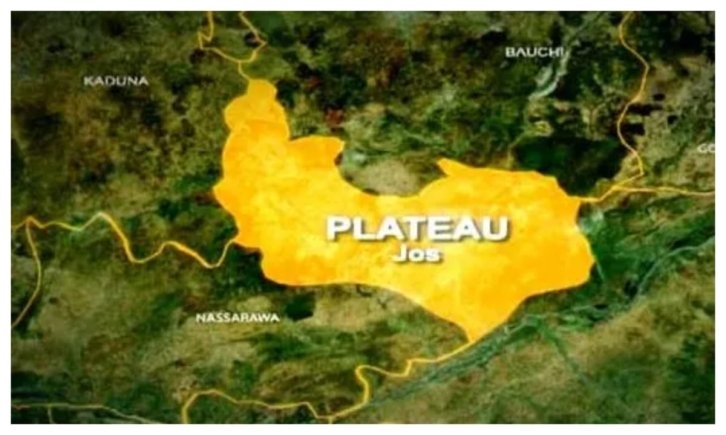
A suspected Berom militia member has killed a Fulani boy named Aliyu in Wereng community, Riyom Local Government Area of Plateau State, amid escalating ethnic tensions and targeted attacks in the region. The incident occurred around 2 pm on Thursday, October 1, 2026, according to security analyst Zagazola Makama, who shared details via a post on X. Preliminary reports indicate that the victim was shot after being attacked by armed individuals believed to be members of the Berom militia. This latest violence adds to a growing pattern of intercommunal conflict in Plateau State, where ethnic and herder-farmer tensions have led to repeated outbreaks of violence.
Zagazola Makama emphasized that residents must remain calm and refrain from circulating unverified information that could worsen the situation. He stressed the importance of responsible communication during such sensitive times to prevent further panic or retaliatory actions. Security agencies have been alerted and are expected to conduct a thorough investigation into the circumstances surrounding the killing. Authorities are working to determine whether this was an isolated incident or part of a broader campaign targeting specific communities.
The death of Aliyu underscores the fragile security environment in Riyom LGA, which has seen sporadic clashes between farming and herding groups over land use and resource control. Despite efforts by state and federal authorities to mediate peace, incidents like this continue to erode trust between communities. Past attempts at dialogue have often been undermined by rapid escalations following violent acts, making long-term reconciliation difficult.
Plateau State remains one of Nigeria’s most volatile regions due to its diverse ethnic composition and competing interests over arable land and grazing routes. The government has repeatedly called for unity and non-violence, but enforcement remains inconsistent. In recent months, several villages have reported similar attacks, raising concerns about the effectiveness of existing security measures.
As investigations proceed, local leaders and civil society groups are urging both sides to exercise restraint. There is growing pressure on security forces to respond swiftly and impartially to maintain public confidence. The incident also highlights the urgent need for comprehensive peacebuilding initiatives that address root causes rather than just symptoms of conflict.
This tragic event serves as a stark reminder of the human cost of unresolved communal disputes in Nigeria’s Middle Belt. As the nation continues to grapple with insecurity, the case of Aliyu may become a pivotal moment for renewed calls for justice, accountability, and lasting peace in Plateau State.



Leave a Comment