
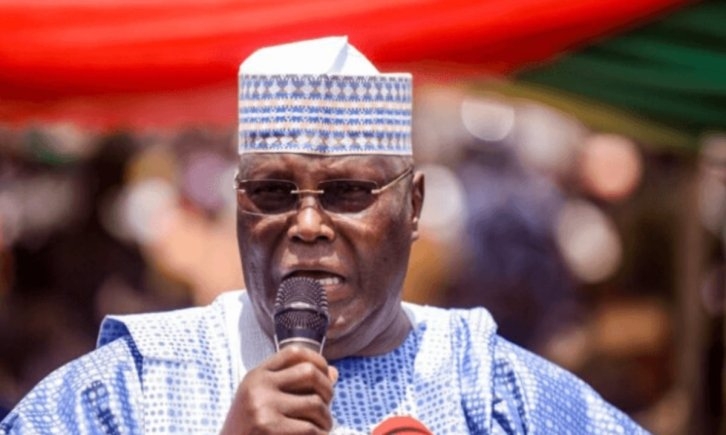
Atiku Abubakar, presidential candidate of the African Democratic Congress (ADC), has firmly denied claims that he opposes education for poor children, stating his position is focused on preventing education from becoming a debt trap. In a statement released via X by his Senior Special Assistant on Public Communication, Phrank Shaibu, Atiku emphasized that he supports access to education for all Nigerians, especially those from disadvantaged backgrounds. The clarification came after President Bola Tinubu’s Special Assistant on Social Media, Dada Olusegun, accused Atiku of hating NELFUND and wanting to cancel the scheme because he allegedly believes children of the poor should not have access to education.
Dada made the claim in a post on X, writing: “Mr @atiku hates NELFUND and wants to cancel it because he does not believe the children of the poor should have access to education.” This sparked immediate backlash from Atiku’s team, who called the assertion dishonest and misleading. Shaibu responded directly, asserting that Atiku’s stance is not against education for the poor, but against policies that turn education into an unaffordable burden through excessive fees and forced borrowing.
Shaibu highlighted a scenario to illustrate the issue: a widow selling food by the roadside trying to send her daughter to university. He pointed out that when the government allows school fees to rise beyond what such families can afford, then pushes students to borrow money, they are setting young people up for lifelong debt. According to him, this approach is not compassionate or sustainable. Atiku’s vision, as explained by Shaibu, is to make education truly affordable again through restored scholarships, grants, and reduced institutional costs.
The ADC candidate’s position, as articulated by his spokesperson, is clear: every child, regardless of background, should be able to enter school and graduate without being buried under loan obligations. Shaibu stressed that the goal is to ensure education remains a right, not a privilege tied to financial capacity or debt. He reiterated that Atiku’s campaign promises include reforms to make tertiary education accessible and affordable for all Nigerians, particularly those from low-income households.
This exchange underscores the growing debate over Nigeria’s education policy and funding models, especially as student loan schemes like NELFUND become central to national discourse. As the 2027 elections draw closer, candidates’ positions on education will likely play a major role in shaping voter decisions. Atiku’s emphasis on affordability and debt-free education may resonate with millions of parents and students grappling with rising tuition costs across the country.


Leave a Comment