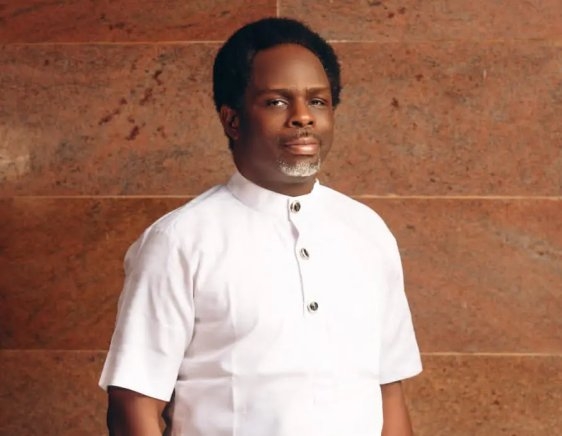
Former Delta State Commissioner for Oil and Gas Producing Areas, Sir Kenny Okolugbo, has strongly criticized presidential candidate of the African Democratic Congress (ADC), Atiku Abubakar, over his pledge to restore fuel subsidy if elected in 2027. Okolugbo described the promise as politically motivated, accusing Atiku of shifting positions to gain electoral advantage. The controversy has reignited national debate on energy policy, economic management, and political consistency ahead of Nigeria’s next general election.
In a video posted on his official X handle on Wednesday, Okolugbo expressed frustration over the ongoing discourse on fuel subsidy, directly addressing Atiku. He questioned the former vice president’s credibility, pointing out that Atiku had previously committed to removing the subsidy during the 2022 election campaign. “So, I’m tired of this debate on fuel subsidy,” Okolugbo said. “Atiku, you cannot bring back fuel subsidy; you are only doing this because you want to win the 2027 election by all means.”
Okolugbo emphasized that restoring the subsidy would take Nigeria back to a time of severe economic mismanagement. He recalled the period when the government was printing N30 trillion but still failed to pay salaries, highlighting the fiscal strain caused by subsidy payments. “Of course, we want the economy to do a lot better than it is now,” he added, “but you cannot bring back subsidy and take us back to the dark old days.”
The former commissioner also suggested that Atiku’s stance might be influenced by regional politics, implying that the north may benefit more from such policies in the future. “Maybe you’ll wait till 2031 when it goes back to the north,” he remarked. “For now, it is the turn of the south.” This comment underscores broader concerns about equitable development and regional representation in national economic decisions.
Atiku’s position on fuel subsidy has drawn sharp criticism from members of the ruling All Progressives Congress (APC), who accuse him of promoting corruption and reckless spending. The APC argues that reinstating the subsidy would undermine efforts to stabilize the economy and attract foreign investment. Critics also point to the massive financial burden the subsidy placed on the federal budget in previous years.
As Nigeria prepares for the 2027 elections, debates over energy policy, fiscal responsibility, and governance will likely remain central to campaign narratives. Okolugbo’s comments reflect growing skepticism among Nigerians about politicians’ ability to deliver consistent, long-term solutions. His critique adds to the mounting pressure on candidates to present credible, sustainable plans for economic recovery. The coming years will test whether promises like Atiku’s can translate into tangible progress or merely serve as short-term political tools.
Leave a Comment