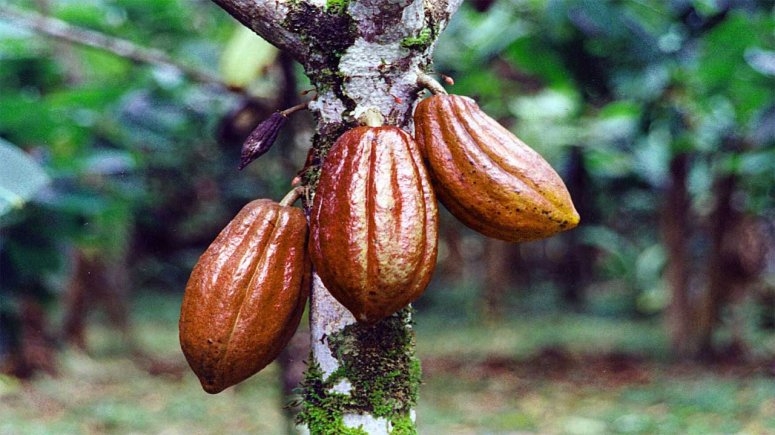
Nigeria’s cocoa industry is facing a critical challenge as exporters and hundreds of thousands of smallholder farmers scramble to meet the European Union’s new anti-deforestation rules, which will take effect at the end of December. The EU Deforestation Regulation requires companies importing covered commodities like cocoa to prove their products are not linked to recent deforestation and can be traced back to their source. For Nigeria, where cocoa production is dominated by small-scale farmers and complex supply chains with multiple intermediaries, this presents a major hurdle. With about 300,000 cocoa farmers nationwide, according to the Nigerian Export Promotion Council, compliance is proving difficult for many.
Industry estimates suggest that more than half of Nigeria’s cocoa producers may struggle to meet the new requirements. This is especially concerning because the European Union accounts for around 60% of global cocoa purchases, while West Africa produces approximately 70% of the world’s cocoa beans. Nigeria, along with Ivory Coast and Ghana, is under pressure to improve traceability across supply chains that were never built to provide farm-level data for every shipment entering Europe. Exporters must now collect detailed information on where cocoa was grown and provide evidence for due diligence checks by European importers.
To comply, Nigerian exporters are investing heavily in farm mapping, digital traceability systems, verification processes, and hiring field personnel to work directly with farmers. Sunbeth Global, for example, has spent three years mapping roughly 124,000 hectares of farmland linked to about 60,000 metric tons of cocoa. The company reports spending between $30 and $70 per metric ton on these efforts and has established a 35-person sustainability team. Similarly, Starlink Global and Ideal, which ships around 60,000 tonnes annually, has invested between $40 and $80 per tonne since 2023 in traceability initiatives.
Despite these investments, exporters face financial strain because European buyers have been unwilling to absorb all the additional compliance costs. If these expenses cannot be passed on through higher prices, margins could shrink even for companies that successfully maintain access to the European market. However, those who have already built compliant supply chains may gain a competitive edge. A shortage of fully traceable cocoa after the regulation takes effect could increase demand for beans from exporters with verified origins, potentially creating a divide within Nigeria’s cocoa sector.
Farmers connected to exporters with strong traceability systems may continue selling into Europe, while smaller producers in remote areas could be left out. The issue extends beyond Nigeria—research shows only about half of Ivory Coast’s cocoa production can currently be traced to its origin. Compliance difficulties across major producing nations could temporarily reduce cocoa supply to Europe, driving up procurement costs for chocolate manufacturers and creating premiums for traceable beans. For Nigeria, whose cocoa is a key non-oil foreign exchange earner, the next few months will determine whether the country can preserve its position in one of the world’s most vital cocoa markets.





Leave a Comment