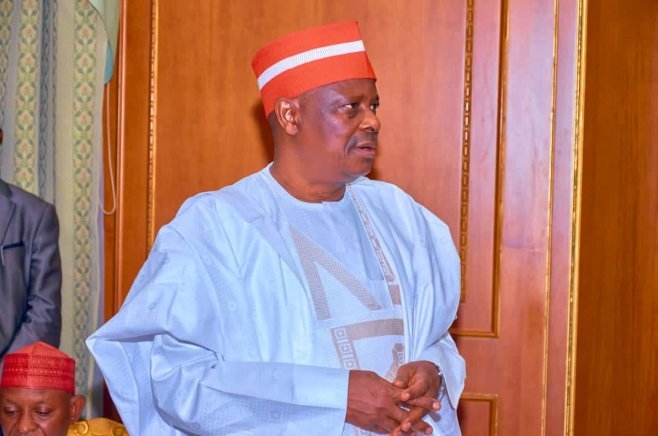
Senator Rabiu Kwankwaso, the National Democratic Congress (NDC) vice-presidential candidate, has issued a stern warning to Nigerian governors who may be planning to use electoral manipulation and state government machinery to secure re-election in 2027. Speaking during the News Agency of Nigeria (NAN) Personality Interview Series in Abuja on Sunday, Kwankwaso emphasized that such tactics would likely fail in the upcoming elections. He urged political leaders to focus on governance and public service rather than relying on state resources to rig votes or influence outcomes.
Kwankwaso’s remarks come amid growing concerns over the increasing use of state apparatus in electoral processes across Nigeria. Many analysts have pointed to instances where state governments have been accused of influencing voter registration, deploying security personnel to sway polling outcomes, or using public funds for partisan campaigns. The former Kano State governor stressed that citizens are becoming more aware and vigilant, making it harder for such maneuvers to succeed.
He highlighted that the 2027 general elections will be different from previous ones due to heightened civic engagement and improved transparency mechanisms. “The people are no longer asleep,” Kwankwaso said. “They know when their votes are being stolen, and they will not sit back and watch.” His comments reflect a broader sentiment among opposition leaders and civil society groups pushing for free and fair elections.
The NDC vice-presidential candidate also called on all political actors to embrace democratic principles and ensure that elections are conducted without intimidation or coercion. He noted that any attempt to undermine the electoral process would not only damage the credibility of the winner but also erode public trust in democracy itself. Kwankwaso reiterated his party’s commitment to a level playing field and urged voters to remain active and informed.
His message resonates with ongoing efforts by the Independent National Electoral Commission (INEC) to strengthen election integrity through technology and voter education. Despite challenges, INEC has introduced biometric voter accreditation, electronic transmission of results, and increased monitoring to reduce fraud. Kwankwaso believes these measures, combined with an awakened electorate, will make electoral manipulation increasingly difficult.
As Nigeria prepares for its next general elections, Kwankwaso’s warning serves as a reminder that democratic progress depends on accountability and fairness. Governors and political aspirants alike must now consider whether their strategies align with public expectations or risk facing widespread backlash. The 2027 elections could mark a turning point in Nigeria’s democratic journey, with citizens demanding nothing less than credible, transparent, and inclusive processes.


Leave a Comment