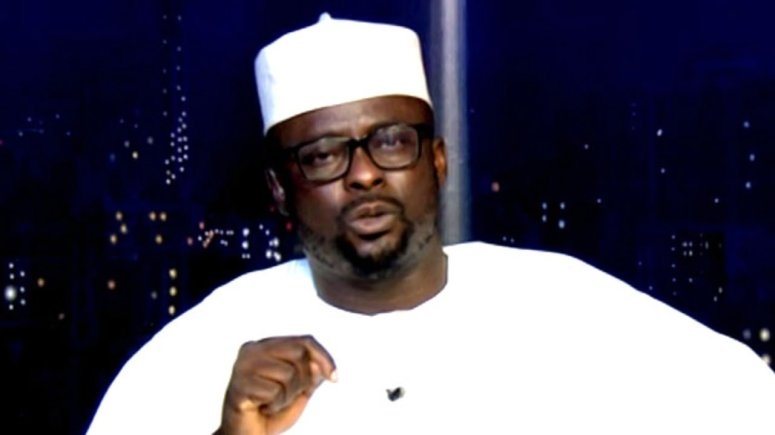
A chieftain of the Peoples Democratic Party, Anthony Ehilebo, has directly questioned President Bola Tinubu over the worsening state of Nigeria’s healthcare system since he took office in 2023. In a public statement made on Thursday, Ehilebo urged the president to account for his administration’s contributions to the sector, specifically demanding clarity on how many hospitals have been constructed under his leadership. The criticism comes amid growing public concern over inadequate medical infrastructure, rising out-of-pocket health expenses, and declining access to quality healthcare across the country.
Ehilebo, a prominent figure within the PDP, emphasized that Nigerians deserve transparency from their leaders, especially when it comes to critical sectors like health. He pointed out that while the government often highlights economic reforms and policy changes, there is little visible evidence of tangible investments in healthcare facilities. “We want to know how many hospitals have been built since 2023,” Ehilebo stated, challenging the administration to provide verifiable data and project timelines.
The call for accountability follows reports from various health watchdogs indicating that Nigeria continues to struggle with a severe shortage of functional hospitals and medical personnel. According to the World Health Organization, Nigeria’s hospital beds per 1,000 people remain far below the recommended global standard. Many public hospitals operate without essential equipment, regular power supply, or sufficient staff, forcing patients to seek private care at exorbitant costs.
Ehilebo’s remarks also reflect broader dissatisfaction among opposition parties and civil society groups over what they describe as a lack of progress in social infrastructure development. While the federal government has launched initiatives like the National Health Insurance Scheme expansion and the Basic Health Care Provision Fund, critics argue these programs are not translating into improved access or outcomes for most Nigerians.
The healthcare crisis has been exacerbated by inflation, fuel scarcity, and currency depreciation, which have made medical supplies and treatment increasingly unaffordable. Rural communities, in particular, face extreme challenges due to the absence of nearby health centres and poor transportation networks. This situation has led to preventable deaths and increased maternal and child mortality rates.
As Nigeria marks its third year under President Tinubu’s administration, pressure is mounting for more concrete actions in the health sector. Ehilebo’s challenge underscores the need for the government to move beyond rhetoric and deliver measurable improvements in healthcare delivery. His demand for transparency may spark further scrutiny of the administration’s spending and project execution in this vital area.
With public trust in government institutions already strained, the response to such inquiries will be closely watched. The coming months could see intensified debate on national healthcare policy, especially as elections approach and citizens evaluate leadership performance.


Leave a Comment