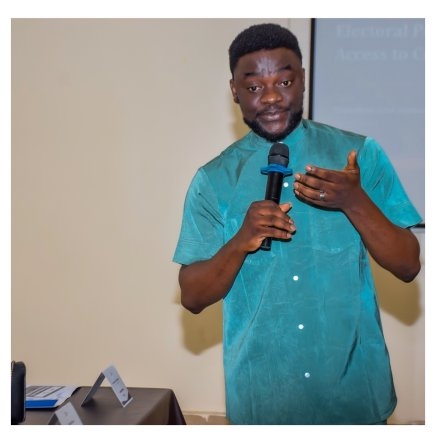
The credibility of Nigeria’s 2027 general election is already being shaped long before voters step into polling units, according to Oluwafemi John Adebayo, Head of Research and Programmes at Kimpact Development Initiative (KDI). Speaking exclusively to DAILY POST on Monday, Adebayo emphasized that the country’s democratic future hinges not just on election day logistics, but on the actions taken in party primaries, courtrooms, security planning, voter registration centres, and media spaces. He warned that while administrative preparations appear underway, deeper democratic challenges remain unaddressed.
INEC has released its election timetable, political parties have held primaries, candidates are being uploaded to the nomination portal, and voter registration has seen renewed public interest. However, Adebayo stressed that these activities alone do not guarantee a credible election. “The real question is not whether Nigeria is preparing for the 2027 general election. It is whether Nigeria is preparing for a credible democratic contest,” he said. He pointed out that elections can follow all procedural steps yet still fail to earn public trust if citizens believe outcomes are predetermined.
Adebayo noted that many Nigerians remain politically engaged despite economic hardships. Young people are actively participating in political debates, fact-checking candidates, and producing civic content on social media. “The dominant narrative is often that Nigerians have become apathetic. The evidence suggests something more nuanced. Many citizens have not disengaged from politics; they have become sceptical of institutions,” he explained. This scepticism stems from a growing doubt about whether votes will truly influence political outcomes.
He highlighted that political parties, as gatekeepers of democracy, have already undermined electoral credibility through flawed primaries marked by elite influence, candidate imposition, money politics, violence, litigation, and internal divisions. Governors have played key roles in shaping APC candidates, while opposition parties grapple with leadership disputes and parallel structures. “When parties struggle to conduct credible internal elections, the credibility of the general election begins to erode long before the first ballot is cast,” Adebayo cautioned.
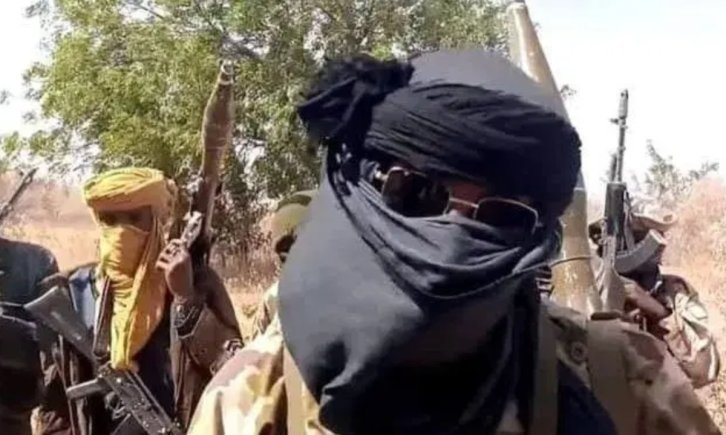
INEC, while advancing its logistical preparations, still faces the challenge of rebuilding public confidence after the 2023 elections. “Electoral commissions conduct elections. Public confidence determines whether elections are believed,” he said. Insecurity remains a major threat, with insurgency, banditry, kidnapping, communal clashes, and political violence affecting voter turnout. Adebayo called for security agencies to focus on intelligence, conflict prevention, and political neutrality beyond election day deployment.
He also underscored the critical role of media and civil society in safeguarding democracy. Journalists are now verifying information and exposing misinformation, while civil society groups conduct election observation, voter education, and conflict monitoring. Despite administrative readiness, Adebayo warned that unresolved party crises, security threats, and institutional distrust threaten the political environment. “The election is less than six months away. The more important question is whether Nigeria will spend that time preparing only for an election or preparing for the democracy that gives elections their meaning,” he concluded.

Leave a Comment