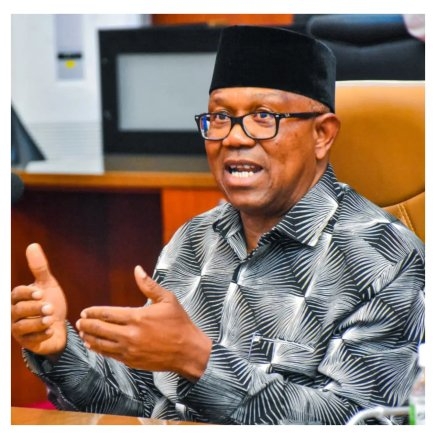
The former governor acknowledged that he might consider a return to the presidential race only if the presidency remains in the South in 2031. However, he described such a scenario as “very slim” and uncertain. “If it’s still in the South in the next election, maybe, but the probability is very slim. I don’t know until after the 2027 election,” he added, underscoring the unpredictable nature of Nigeria’s political landscape. His remarks reflect a strategic assessment of both personal readiness and the country’s entrenched political norms.
Obi’s comments come amid growing speculation about the future of Nigeria’s presidential race and the role of zoning in shaping electoral outcomes. While he did not rule out future political involvement, his focus remains on the 2027 election. He stressed that his decision is not influenced by any particular individual or group, but rather by broader structural and age-related considerations. “For me, it depends on what happens. I don’t want to say it because people might think that I’m saying it because of some people,” he said, maintaining a cautious tone.
As Nigeria continues to navigate its political transitions, Obi’s statement adds context to the ongoing discussions about leadership succession and regional equity. His potential exit from the presidential race after 2027 could influence party dynamics and voter expectations in the coming years. The next election cycle will be critical in determining whether the zoning formula holds or if new patterns emerge in Nigeria’s political evolution.

Leave a Comment