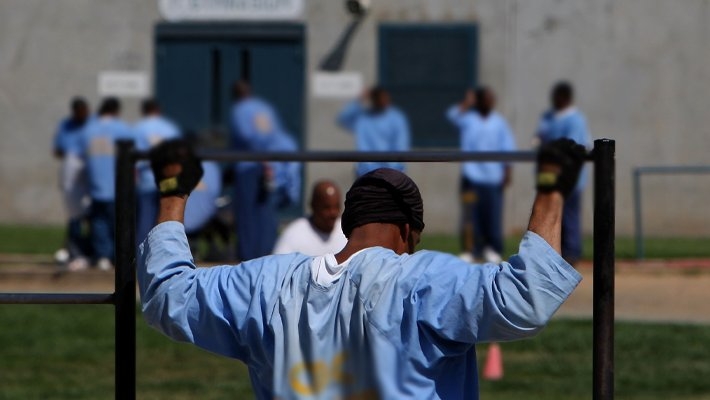
Between 2016 and 2025, a total of 3,968 Nigerians were incarcerated in U.S. federal prisons for various criminal offences, including fraud, bribery, extortion, drug trafficking, burglary, larceny, and sexual offences, according to a document obtained by Peoples Gazette. The data reveals that an average of 400 Nigerians are jailed annually in the United States for federal crimes, highlighting a consistent pattern of Nigerian nationals facing legal consequences abroad. The document lists the names, crimes, and years of incarceration for each individual, providing a comprehensive overview of the issue over a decade.
Fraud, bribery, and extortion were the most common offences, accounting for 1,978 cases—nearly half of the total. This category saw an average of 200 Nigerians sentenced each year, underscoring the widespread nature of financial crimes committed by Nigerians in the U.S. These crimes often involve schemes such as investment fraud, identity theft, and cybercrime, which have drawn significant attention from U.S. law enforcement agencies.
Another 828 Nigerians were jailed for crimes listed as “unspecified” in the document. The U.S. Bureau of Prisons explained that these cases lack detailed sentencing information, meaning the offences may have been recorded but not yet fully processed or disclosed. This lack of clarity raises concerns about transparency and the completeness of the data.
Burglary and larceny ranked as the second most common offences, with 434 Nigerians sentenced for these crimes. Drug trafficking-related offences accounted for 422 individuals, representing 10.64% of the total. These cases often involve smuggling, distribution, or possession of controlled substances, which are heavily prosecuted under U.S. federal law.
Immigration fraud was responsible for 74 incarcerations, making up about 2% of the total. These cases typically involve falsifying documents, using fraudulent visas, or attempting to enter the U.S. illegally. Additionally, 64 Nigerians were jailed for possessing illegal weapons and explosives, a smaller but serious category representing 1.6% of the total.
The figures reflect a growing concern for Nigerian authorities, as the number of citizens facing legal troubles abroad continues to rise. The data also points to the need for stronger preventive measures, including public awareness campaigns, improved legal education, and enhanced cooperation between Nigerian and U.S. law enforcement agencies. As the U.S. continues to crack down on transnational crime, the trend is likely to remain a focal point in discussions on diaspora safety and international criminal justice.





Leave a Comment