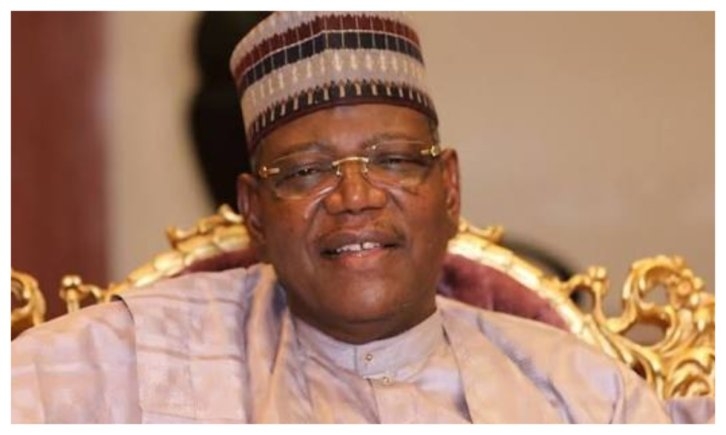
Former Jigawa State Governor Sule Lamido has publicly criticized former Minister of Communications and Digital Economy Isa Ali Pantami for his past characterization of the Peoples Democratic Party (PDP) as an “infidel party,” reaffirming his unwavering loyalty to the opposition party. The remarks were made during a meeting at Lamido’s residence in Bamaina, Jigawa State, on Saturday, where he received PDP governorship candidates from Gombe, Bauchi, Kano, Yobe, and Jigawa states. Lamido’s comments come amid growing political realignments ahead of the 2027 general elections, highlighting the ongoing tensions and shifting loyalties within Nigeria’s political landscape.
Lamido reflected on the PDP’s long tenure in power, noting that the party faced relentless criticism from political opponents and certain Islamic clerics. He recalled how the party was often labeled corrupt, and in some cases, described as an “infidel party.” Despite these attacks, Lamido emphasized his continued commitment to the PDP, stating that it was the party that provided him with the platform to serve Nigeria as Minister of Foreign Affairs and as Governor of Jigawa State on two occasions. His loyalty, he said, was rooted in the opportunities the party afforded him.
He also recounted that after the 2015 general elections, prominent figures from the All Progressives Congress (APC), including former President Muhammadu Buhari, President Bola Tinubu, and former Lagos State Governor Babatunde Fashola, visited him in Dutse to persuade him to defect to their party. Lamido firmly rejected their overtures, declaring that he could not abandon the party that shaped his political career. Instead, he challenged them to join the PDP, underscoring his deep-rooted allegiance to the opposition.
Lamido specifically mentioned Pantami, who, while serving as Chief Imam of the Abubakar Tafawa Balewa University Jumu’ah Mosque, reportedly delivered sermons in which he prayed against the PDP and referred to it as an “infidel party.” Lamido noted that Pantami later joined the PDP after failing to secure the APC governorship ticket in Gombe State, a move that sparked widespread public debate and scrutiny. The former governor’s comments have reignited discussions about political integrity, religious rhetoric in politics, and party loyalty.
As of now, Pantami has not responded to Lamido’s latest statements. The exchange underscores the complex dynamics within Nigeria’s political parties, especially as candidates and leaders prepare for the upcoming 2027 elections. With defections and realignments becoming more frequent, Lamido’s stance serves as a reminder of the enduring influence of personal loyalty and ideological commitment in Nigerian politics.


Leave a Comment