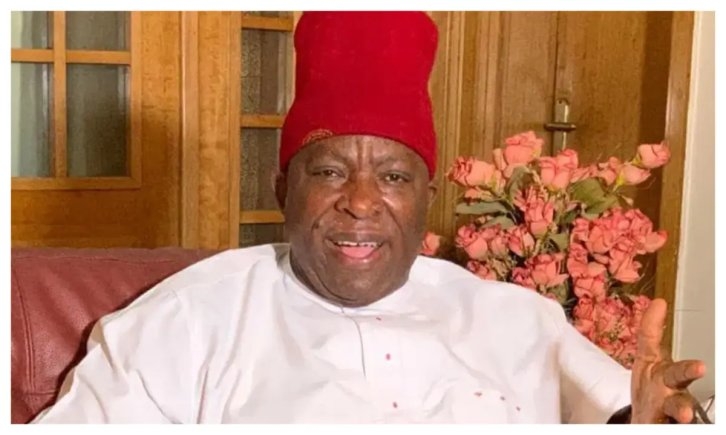
The senator further explained that the PMP’s actions appear to be a strategic move to prevent the NDC from competing in the 2027 elections. He pointed out that the Federal High Court in Lokoja, Kogi State, had previously ruled in favor of the NDC, directing INEC to register the party. However, that judgment was later set aside, creating uncertainty about the party’s legal standing. Umeh’s comments highlight growing concerns over the use of legal tactics to undermine political opposition in Nigeria’s electoral landscape.
The controversy underscores the increasing complexity of party registration and electoral competition in Nigeria. As political actors prepare for the 2027 elections, legal battles over symbols, registrations, and party legitimacy are becoming more frequent. Umeh’s allegations suggest that behind-the-scenes maneuvering may be influencing the political environment, potentially affecting voter choices and party viability. The situation remains under close watch by political analysts and legal experts.
With the 2027 elections approaching, the fate of the NDC and its ability to field candidates will depend heavily on the outcome of ongoing legal proceedings. The case may set a precedent for how political symbols are protected and how party registrations are challenged in Nigeria’s electoral system.
Leave a Comment