Obi vs Tinubu: APC’s 2015 Parallel Government Call

Obi vs Tinubu: APCs 2015 Parallel Government Call

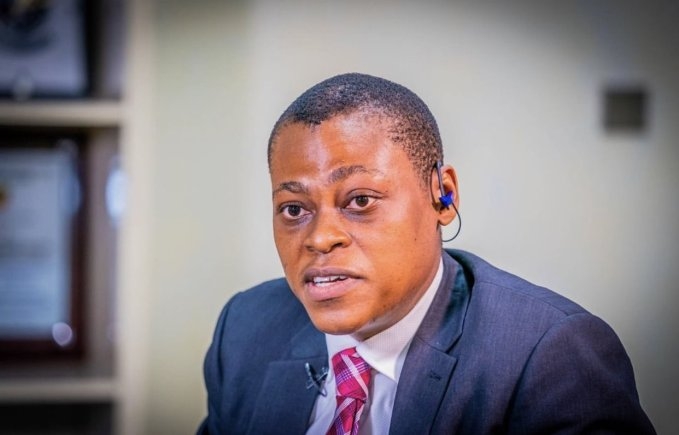
Media personality and Arise News anchor Rufai Oseni has sharply criticized Bayo Onanuga, President Bola Tinubu’s media aide, for dismissing Peter Obi’s call for the president’s resignation as “puerile” and “childish.” The exchange follows Obi’s public statement on Monday urging Tinubu to step down, drawing a comparison with UK Prime Minister Keir Starmer’s resignation after his party’s electoral defeat, citing the worsening economic and security challenges in Nigeria. Oseni’s response came during a live morning program on Tuesday, where he highlighted what he sees as a double standard in political discourse.

Obi, the 2023 presidential candidate of the Labour Party and now the 2027 standard-bearer of the Nigerian Democratic Congress, made his remarks during a public address, arguing that the current administration’s failure to deliver on key promises justifies a call for resignation. He pointed to rising inflation, unemployment, and insecurity as evidence of governance failure. In response, Onanuga labeled Obi’s stance as immature, suggesting that such demands are inappropriate in a democratic setting.

Rufai Oseni challenged this narrative by recalling the All Progressives Congress’s (APC) actions in 2014, when the party, then in opposition, called for a parallel government if it lost the 2015 election. He emphasized that the same issues Obi is criticizing — economic mismanagement and insecurity — were the very reasons APC had demanded change under then-President Goodluck Jonathan. “Was the APC also childish when it called for the resignation of Goodluck Jonathan?” Oseni asked, pointing out the irony in their current criticism of Obi.

He further stressed that the idea of a parallel government, which APC once defended on national television, is essentially anarchy. “They didn’t only say it, they went to defend it on television,” Oseni noted, underscoring the inconsistency in the party’s position. He argued that the same standards should apply to all political actors, regardless of their current position in power.

The controversy has sparked widespread debate on social media and in political circles, with many Nigerians weighing in on the ethics of calling for a president’s resignation mid-term. While some support Obi’s stance as a democratic right, others caution against undermining national stability. Oseni’s remarks have added fuel to the fire, prompting renewed scrutiny of political accountability and the responsibilities of both opposition and ruling parties.

As Nigeria heads toward the 2027 general elections, this exchange highlights the growing tension between the executive and opposition forces, and raises important questions about leadership, accountability, and the future of democratic discourse in the country.