2027: Jega Praises Dickson’s Courage in Forming NDC Instead of Joining APC

2027: Jega Praises Dicksons Courage in Forming NDC Instead of Joining APC

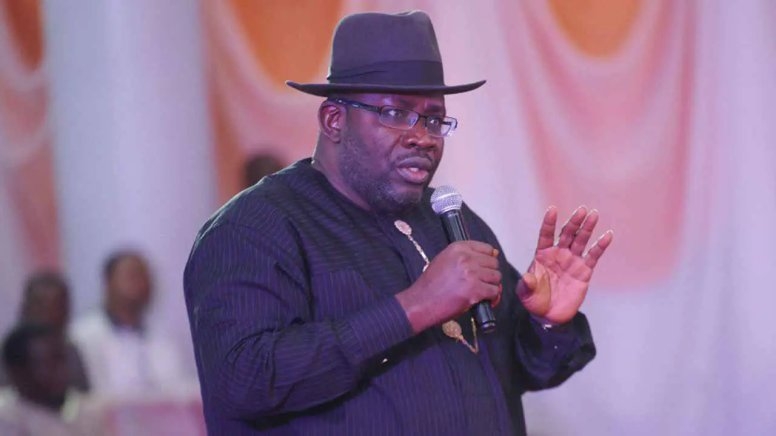
Former Bayelsa State Governor Seriake Dickson has been praised for launching the Nigeria Democratic Congress (NDC) rather than joining the ruling All Progressives Congress (APC), according to public affairs analyst Mahmud Jega. In an interview on Arise Television’s ‘Prime Time’ on Wednesday, Jega highlighted Dickson’s decision as bold and courageous, noting that the new party has gained significant traction within a short time. He emphasized that the NDC has already become one of the top three political parties in Nigeria, attracting a large and growing number of supporters. This rapid rise is seen as a strong indicator of public interest in alternative political options beyond the dominant APC and the Peoples Democratic Party (PDP).

Jega pointed out that many former opposition leaders, including governors, typically choose to join the APC after leaving their previous parties. This is often due to the APC’s perceived stronger organizational structure and financial resources. However, Dickson chose a different path by founding the NDC, a move Jega described as both brave and politically significant. “It was quite courageous of him,” Jega stated, underscoring the risk involved in starting a new party in a competitive political landscape. He added that Dickson’s ability to rally people behind the NDC demonstrates strong leadership and vision.

The analyst also commended Dickson for emphasizing the importance of opposition in a democratic system. “He also made a valid point by saying there’s no democracy without opposition,” Jega noted, reinforcing the idea that a healthy democracy requires multiple voices and political competition. The NDC’s emergence is being watched closely by political observers as a potential challenger to the dominance of the two major parties. Its rapid growth suggests a growing appetite among Nigerians for new political alternatives that offer fresh ideas and accountability.

Dickson’s decision to form the NDC instead of aligning with the APC marks a notable shift in Nigeria’s political dynamics. It signals a willingness to challenge the status quo and build a new political platform from the ground up. The party’s success in attracting members and gaining public attention within a short period indicates strong grassroots support. As the NDC continues to grow, it may influence the political landscape ahead of future elections, particularly in the South-South region where Dickson has significant influence.

This development adds another layer to Nigeria’s evolving party politics, where new entrants are increasingly reshaping voter choices. The NDC’s rise could encourage other disillusioned leaders to consider forming or joining opposition parties, rather than consolidating power within the existing major parties. As Nigeria approaches the next electoral cycle, the NDC’s performance will be closely monitored for signs of its potential to disrupt the current political order.