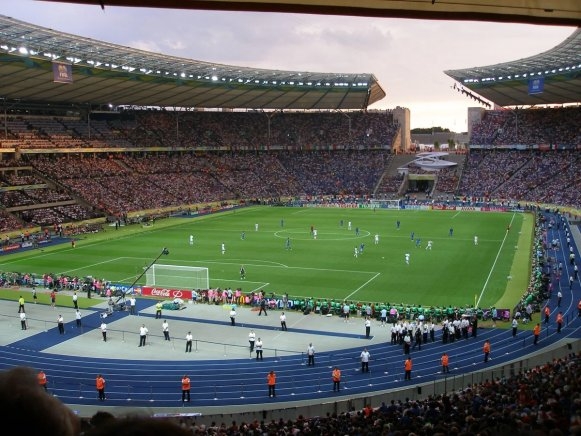
Nigeria’s absence from the 2026 FIFA World Cup has sent shockwaves across African football, marking a historic low for the Super Eagles, a team long seen as a continental powerhouse. Despite boasting world-class talent like Victor Osimhen, Ademola Lookman, and Alex Iwobi, the team failed to secure qualification after a campaign marred by inconsistent performances, defensive lapses, and missed opportunities. The final stages of the qualification process revealed a lack of tactical cohesion and mental resilience, despite the squad’s undeniable individual quality. This failure has not only disappointed fans but also shifted the focus of African football’s global spotlight to other nations.
The qualification campaign was plagued by underwhelming results, including draws against teams Nigeria was expected to beat. Injuries further disrupted team dynamics, and the lack of a clear tactical identity became increasingly apparent. While teams like Morocco, Senegal, and Ivory Coast demonstrated strong organization and consistency, Nigeria appeared to be searching for direction. This contrast highlighted a growing gap between Nigeria’s talent and its ability to translate that into results on the biggest stage. Fans, who have long expected the Super Eagles to be regular contenders, now face a tournament without their national team for the first time since 2002.
The absence of Nigeria will be deeply felt beyond just the pitch. The Super Eagles are known for their electric energy, with massive fan support in Lagos, London, and across the diaspora. Their matches often draw record TV audiences and spark widespread conversations about football odds and betting markets. Without them, the World Cup will lose a key element of its African flavor and entertainment value. Sponsors and broadcasters will miss the team’s commercial appeal, and players like Osimhen and Lookman will be absent from the global stage, limiting their visibility and future opportunities.
This setback also signals a shift in African football’s power structure. Morocco’s recent success, Senegal’s stability, and Ivory Coast’s resurgence show that continental teams are evolving with better structures and discipline. Nigeria’s exit opens the door for other nations like Ghana and DR Congo to gain more attention and media coverage. While the continent’s football remains competitive and vibrant, the Super Eagles’ absence underscores the need for urgent reform in Nigeria’s football ecosystem.
The pressure is now on the Nigeria Football Federation, coaches, and administrators to address systemic issues. Questions about coaching appointments, player development, and tactical planning will dominate discussions. However, Nigeria’s talent pool remains strong, and the football culture is deeply rooted. The challenge lies in transforming individual brilliance into a unified, consistent team capable of rising to pressure moments. As African football continues to grow, Nigeria’s next steps will be closely watched, with hopes that this setback becomes a catalyst for long-term improvement.



Leave a Comment