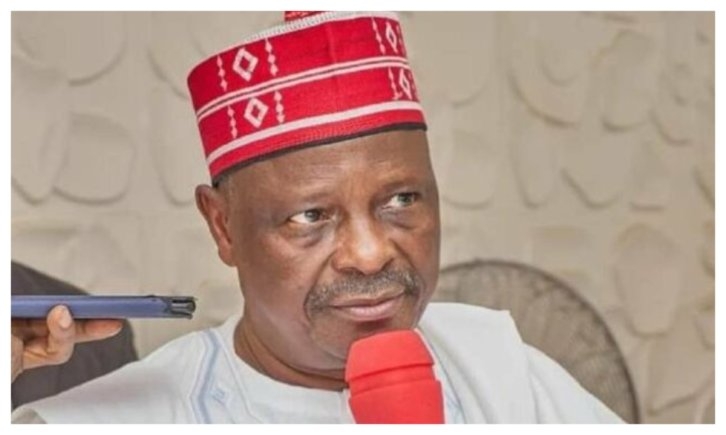
Senator Rabiu Musa Kwankwaso, former governor of Kano State and prominent leader of the Nigeria Democratic Congress (NDC), has opened up on political betrayal, insecurity, education, and past political alliances during a two-hour media engagement held at his residence in Kano on Sunday. The veteran politician, who once ran for president, addressed pressing issues affecting Nigeria’s political landscape, emphasizing his disappointment over perceived betrayals by former allies and criticizing the current state of security and education in the country.
Kwankwaso expressed deep dismay over what he described as political betrayal by individuals he once trusted. When asked about remarks by current Kano State Governor Abba Yusuf regarding political defections, Kwankwaso responded with a Hausa proverb: “Ina ruwan jaka da inda aka ajiye ta,” meaning “A bag has no choice of where it is kept.” He added, “I never expected betrayal from him. I gave my final trust, but today you can all see where it has led us.” His words reflect a sense of disillusionment with political loyalty in contemporary Nigerian politics.
The former governor also criticized some beneficiaries of his administration’s educational programs, accusing them of turning against the political movement that supported their studies. “Some of the people we sponsored in school were very young then, but today they are the ones speaking against us,” Kwankwaso said. He noted with relief that many of them have since become silent, suggesting a shift in their public stance or perhaps a realization of the consequences of their earlier actions.
On the topic of Peter Obi’s presidential campaign, Kwankwaso affirmed that there was an agreement between them that Obi would serve only one term. However, he remained pragmatic, stating, “If he later says he would go for a second term, let him continue – we know how to handle that.” This comment underscores his strategic approach to political alliances and future electoral dynamics.
Kwankwaso also linked the rising tide of insecurity and terrorism in several Nigerian states to a lack of investment in education. He pointed out that states struggling with violent crimes often neglect education, contrasting this with his own administration’s focus on educational development in Kano. “If you look at states battling insecurity and terrorism, many of them have failed to pay proper attention to education as we did during our term in Kano,” he said, highlighting the long-term impact of educational neglect on national stability.
As Nigeria continues to grapple with political instability and security challenges, Kwankwaso’s reflections offer a window into the complexities of leadership, loyalty, and policy-making. His insights may influence future political discourse, especially as elections approach and alliances are re-evaluated across the country.


Leave a Comment