
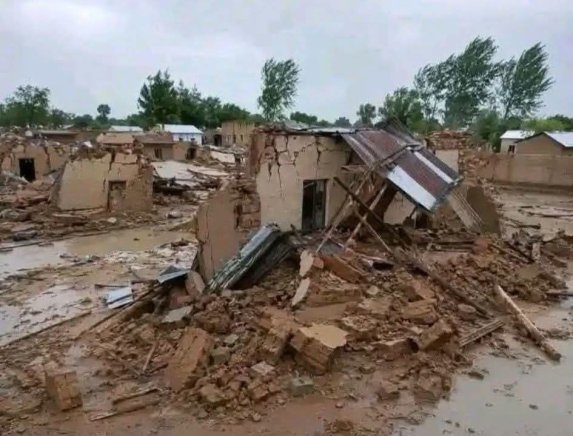
A devastating windstorm has caused widespread destruction in several communities across Suru Local Government Area of Kebbi State, leaving homes, food storage facilities, and property worth millions of naira in ruins. The storm, which struck on Wednesday night, affected communities including Sambera, Jeroki, Becinga, Nassarawa, Tunga Soja, Tauken Mage, Tunga Muminu Oro, and Ciwan Wanzam. Although no lives were lost, many families have been displaced after their homes were either damaged or completely swept away by the fierce winds.
Faruku Abubakar Maisudan, Member of the Kebbi State House of Assembly representing Suru Constituency, confirmed the extent of the damage after visiting the affected areas. He expressed deep sympathy for the victims and urged them to view the incident as a test of faith from Almighty Allah. “My heart goes out to you in this difficult moment,” he said, emphasizing the need for resilience and unity during the recovery process.
Maisudan assured the affected communities that he would bring the matter to the attention of the State Assembly and Governor Nasir Idris to secure urgent government intervention. “I will ensure your condition is presented to the appropriate authorities so that immediate support can reach you without delay,” he added. His commitment underscores the importance of swift action to prevent further hardship for the displaced families.
Officials from the Kebbi State Emergency Management Agency (SEMA) were present during the assessment tour and pledged to provide swift relief and emergency assistance. They assured residents that relief materials such as food, shelter, and medical supplies would be distributed as soon as possible. The agency also promised to coordinate with local leaders and stakeholders to ensure a comprehensive response.
The windstorm has highlighted the vulnerability of rural communities to extreme weather events, especially during the rainy season. With many households losing their primary sources of food and shelter, the immediate need for humanitarian aid is critical. The destruction has also disrupted farming activities, raising concerns about food insecurity in the region.
As the affected communities begin the long process of recovery, the focus remains on restoring basic needs and rebuilding homes. The involvement of both legislative and emergency response agencies signals a coordinated effort to address the crisis. The incident serves as a reminder of the importance of disaster preparedness and infrastructure resilience in Nigeria’s vulnerable regions.




Leave a Comment