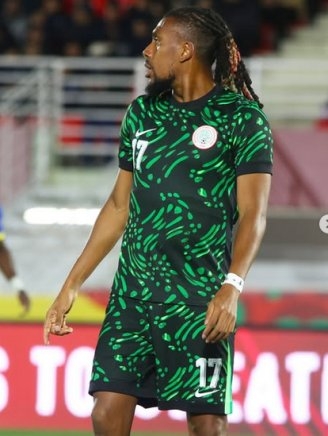
Alex Iwobi, the Fulham midfielder and Super Eagles stalwart, has revealed the pivotal conversation he had with former Arsenal manager Arsène Wenger before committing to Nigeria’s national team, a decision that shaped his international career. Iwobi, who represented England at youth levels from U16 to U21, faced limited first-team opportunities at Arsenal, which stalled his progression in the English setup. When Nigeria invited him to join their Olympic squad at age 19, he consulted his family and decided to give it a chance, despite the uncertainties.
Speaking on the Beast Mode On podcast, Iwobi compared the structured environment of England’s football system with Nigeria’s more informal but passionate approach. He described England’s disciplined routine—strict itineraries, single-room accommodations, and controlled fan interactions—contrasting it with Nigeria’s unpredictable conditions, where players sometimes had to book their own flights or pay for upgrades. He recalled sharing a room with two teammates, washing his own kit, and training on a pitch with half-grass and AstroTurf that looked recently laid.
Despite the modest facilities and intense coaching style—where a single bad pass could earn a player two laps of the pitch—Iwobi felt a deep sense of belonging. He was struck by the warmth of Nigerian fans, the cultural connection, and the love for the game. “I just felt I was at home,” he said, recalling being celebrated at the airport and enjoying traditional meals like jollof rice and yam and egg.
The turning point came when he received a call-up for a match against Egypt. Wenger, aware of his eligibility dilemma, gave him the final say. “What do you want to do? You can delay it to think about England, or you can go and represent Nigeria,” Wenger told him. Iwobi chose Nigeria, citing the emotional connection and experience he’d already built. Wenger supported his decision, wishing him well.
Iwobi made his Super Eagles debut in October 2015 in a friendly against DR Congo in Visé, Belgium, and has since become a vital player for the team. He has earned 98 caps and scored 10 goals, solidifying his place in Nigeria’s football history. His journey from youth international with England to a national hero for Nigeria underscores the personal and cultural significance of his choice. As he continues to represent Nigeria, his story remains a powerful example of identity, passion, and belonging in the world of football.




Leave a Comment