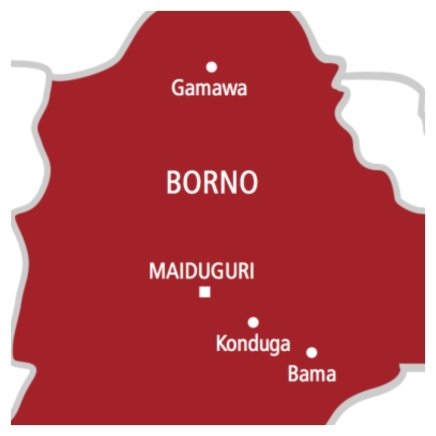
At least 40 people have died in a severe cholera outbreak that has spread across seven Local Government Areas in Borno State, with over 3,000 infections recorded in 139 communities, according to official government data. The outbreak, which began on May 1 and intensified through May 28, 2026, has affected Maiduguri, Jere, Mafa, Konduga, Monguno, Ngala, and Magumeri. Health authorities are now sounding alarms as the disease continues to claim lives and spread rapidly, especially in areas with poor access to clean water and sanitation.
The Borno State Government released updated figures on Saturday, May 30, confirming 37 deaths and more than 3,000 infections. This represents a significant spike from the epidemiological report issued three days earlier on May 27, which recorded 27 deaths and 2,715 cases between May 1 and May 27. In just three days, the death toll increased by 10, and over 285 new infections were reported, highlighting the alarming pace of the outbreak.
Maiduguri metropolis remains the hardest-hit area, accounting for more than half of all reported cases in the state. The densely populated city faces challenges in providing adequate clean water and sanitation, which experts say are key factors in the rapid transmission of cholera. Residents in affected communities are increasingly fearful, especially as symptoms such as severe diarrhea, vomiting, and dehydration begin to appear in households.
Health officials have intensified surveillance and response operations in the affected areas. They are working to isolate cases, distribute treatment, and educate the public on preventive measures. Authorities are urging residents to maintain proper hygiene, avoid contaminated water sources, and seek medical help immediately if symptoms arise. Public health campaigns are also being rolled out to promote handwashing and safe water storage practices.
The outbreak has strained the already fragile healthcare system in Borno State, which continues to recover from years of conflict and instability. With limited medical infrastructure and high population density, controlling the spread of cholera remains a major challenge. The government has called for urgent support from federal agencies and international partners to bolster response efforts.
As the situation evolves, health experts warn that without swift and coordinated action, the number of cases and deaths could rise further. The outbreak underscores the urgent need for long-term investments in water, sanitation, and public health infrastructure across the state. The coming days will be critical in determining whether containment efforts can prevent a wider epidemic.



Leave a Comment