
The African Democratic Congress (ADC) has accused the Independent National Electoral Commission (INEC) of undermining democratic processes by refusing to attend and monitor the party’s ongoing convention, a move its National Secretary, Rauf Aregbesola, has condemned as unlawful and criminal. Aregbesola, speaking at the convention, stated that INEC had been formally notified of the event since 2025, yet the electoral body chose to boycott the proceedings, citing a leadership crisis within the party. He described INEC as an “illegal and criminal organization,” accusing it of failing in its constitutional duty to ensure free and fair party activities.
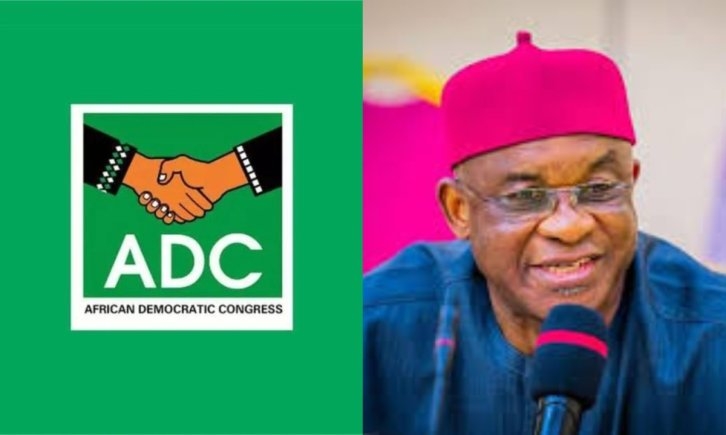
The leadership crisis within the ADC has been escalating, with INEC recently suspending the recognition of the David Mark-led faction as the legitimate leadership of the party. This decision has sparked widespread outrage, particularly among opposition leaders and ADC supporters who took to the streets in Abuja to protest the commission’s actions. Demonstrators demanded transparency and accountability, arguing that INEC’s intervention was politically motivated and threatened the integrity of Nigeria’s democratic space.
Aregbesola further accused the ruling All Progressives Congress (APC) of orchestrating the internal turmoil within the ADC, suggesting that the crisis was not spontaneous but part of a broader strategy to weaken opposition parties. He called on international organizations, including the African Union and the United Nations, to intervene and protect the rights of Nigerian opposition groups. According to him, the actions of INEC and the APC are undermining the country’s democratic institutions and stifling political pluralism.
The ADC convention, which is meant to elect new leadership and chart the party’s future direction, has become a flashpoint in Nigeria’s political landscape. Critics argue that INEC’s absence from the event sets a dangerous precedent, as it allows political parties to hold critical internal processes without electoral oversight. This lack of monitoring raises concerns about transparency and the potential for undemocratic practices within party structures.
Despite the controversy, the ADC remains determined to proceed with its convention, asserting its right to self-determination and internal governance. Aregbesola emphasized that the party will not be deterred by what he called “undemocratic interference.” He urged Nigerians to remain vigilant and to support opposition parties in their efforts to strengthen democratic governance.
As the political climate in Nigeria continues to evolve, the ADC’s confrontation with INEC and the APC highlights deeper tensions within the country’s electoral and political systems. The outcome of this crisis could have lasting implications for party politics and democratic accountability in Nigeria.

Leave a Comment