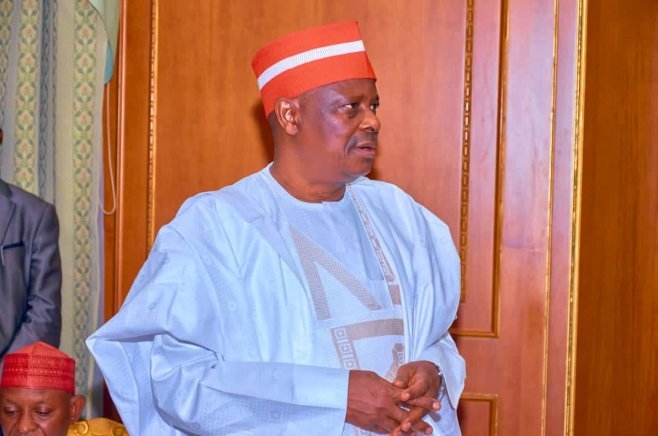
Rabiu Kwankwaso, the presidential running mate of the Nigeria Democratic Congress (NDC), has warned that many state governors seeking re-election in 2027 may face disappointment due to declining public support. Speaking during a recent political engagement, Kwankwaso emphasized that Nigerians are increasingly dissatisfied with governance at the state level and are unlikely to renew their trust in incumbent leaders. He highlighted growing discontent over issues such as insecurity, poor infrastructure, unemployment, and mismanagement of resources as key factors influencing voter sentiment.
Kwankwaso stated that voters across the country are now more conscious of performance and accountability than ever before. “Most Nigerians won’t support some of these state governors seeking reelection in 2027,” he said, pointing to rising expectations for better service delivery. His remarks come amid increasing calls for political renewal and leadership change in several states where governors have been in office for multiple terms. The NDC’s vice-presidential candidate believes this shift reflects a broader desire for transformational leadership in Nigeria’s political landscape.
The 2027 general elections are expected to be highly competitive, with numerous state governors already signaling their intentions to run for another term. However, Kwankwaso’s comments suggest that popularity alone may not guarantee victory. He stressed that candidates must demonstrate tangible achievements and address the pressing needs of citizens to win electoral mandates. This perspective aligns with trends observed in recent local elections, where incumbents have faced stiff challenges despite established political networks.
Kwankwaso’s warning is particularly relevant in states where economic hardship and insecurity remain unresolved. In places like Kano, Kaduna, and Lagos, residents have expressed frustration over inadequate healthcare, education, and power supply. These concerns, according to Kwankwaso, are likely to influence voting patterns in 2027. He also noted that younger voters, who form a significant portion of the electorate, are more likely to reject leaders perceived as out of touch or corrupt.
While Kwankwaso did not name specific governors, his statement has sparked debate among political analysts and opposition figures. Some see it as a strategic move to position the NDC as a credible alternative to ruling parties. Others view it as a reflection of genuine public sentiment captured through grassroots consultations. Regardless, the comment underscores a growing demand for transparency and results-oriented governance.
As Nigeria approaches the 2027 elections, political actors are being urged to focus on policy and performance rather than patronage. Kwankwaso’s message serves as a reminder that public trust is fragile and must be earned. The coming years will test whether current leaders can meet rising expectations or if voters will opt for new faces who promise change.


Leave a Comment