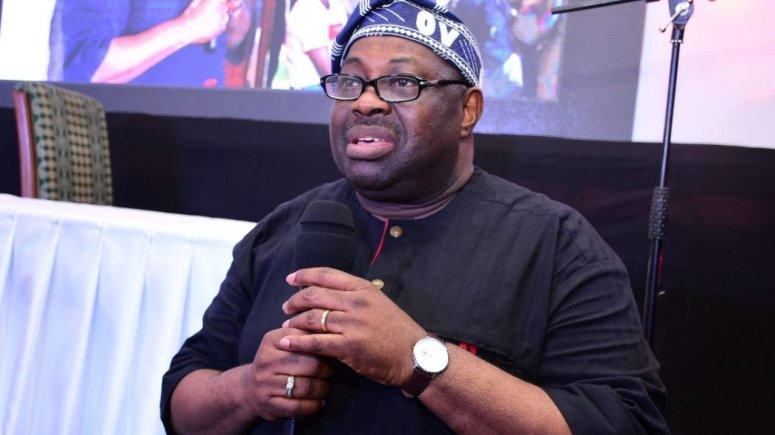
Dele Momodu, a prominent chieftain of the African Democratic Congress (ADC), has criticized Nigerian politicians for treating zoning as the sole qualification for winning the presidential election, warning that this focus distracts from pressing national issues. Speaking on Tuesday during a live interview on Arise Television’s ‘Prime Time’ programme, Momodu emphasized that the ruling All Progressives Congress (APC) and President Bola Tinubu are well aware that without promoting the zoning narrative, their chances of electoral success remain uncertain. He argued that this emphasis on regional rotation undermines genuine policy debates and leadership merit.
Momodu, who is also the publisher of Ovation Magazine, stated that the current political climate in Nigeria is dominated by discussions about who should be president based on geographic representation rather than competence or vision. He pointed out that this approach diverts attention from critical challenges such as insecurity, economic hardship, and poor infrastructure. “Politicians now treat zoning as the only credential needed to win presidential elections,” he said, adding that this mindset is harmful to the nation’s progress.
He acknowledged that those who support zoning have the right to their views, but stressed that the country needs more than regional rotation to achieve meaningful development. “It’s a distraction, and I can say it without any fear of contradiction, that it is not what we need at this time,” Momodu declared. He called for a shift in focus toward strategic governance, leadership capacity, and policy implementation as the true measures of presidential readiness.
The ADC chieftain’s remarks come amid growing national debates over the 2027 presidential election, where zoning has already become a central topic in political discourse. Many political parties are reportedly positioning themselves based on regional calculations, with some insisting that the next president must come from a different geopolitical zone than the current one. Momodu’s critique adds to a broader conversation about whether Nigeria’s electoral system should prioritize regional equity or merit-based leadership.
Despite his criticism, Momodu did not dismiss the importance of inclusivity in governance. He maintained that while zoning may have played a role in past elections, it should not be the primary factor in determining who leads the country. Instead, he urged Nigerians to demand better from their leaders and to evaluate candidates based on their records, plans, and ability to deliver results.
As Nigeria prepares for future elections, Momodu’s comments highlight a growing call for political reform and a more substantive approach to leadership selection. The conversation around zoning will likely continue to shape political strategies, but his voice underscores the need for a national focus on competence and vision over regional quotas.



Leave a Comment