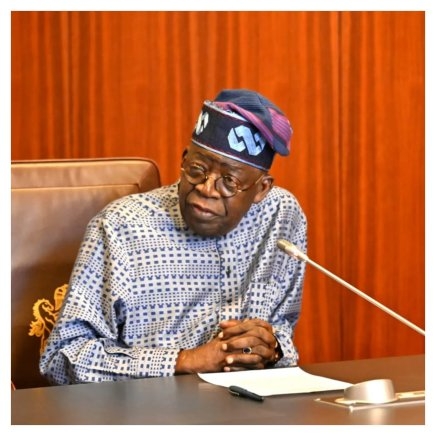
A chieftain of the African Democratic Congress, Kalu Kalu, has publicly challenged President Bola Tinubu to disclose the primary and secondary schools he attended, raising questions about the accuracy of his educational credentials ahead of the 2027 general elections. The call for transparency came during a live appearance on Channels Television’s Politics Today on Monday, where Kalu urged the president to provide verifiable details about his early education. This demand follows the Independent National Electoral Commission’s (INEC) recent release of personal particulars and qualifications submitted by presidential aspirants for the upcoming election.
Kalu’s challenge centers on the omission of primary and secondary school information in Tinubu’s official submission to INEC. While the president listed his tertiary education and other qualifications, he did not include details about his foundational schooling, prompting scrutiny from political observers and opposition figures. Kalu argued that such omissions undermine public trust and raise concerns about the authenticity of the information provided by candidates.
He further pointed to inconsistencies in Tinubu’s past documentation, particularly referencing the 2022 presidential election. At that time, Tinubu submitted a National Youth Service Corps (NYSC) certificate bearing the name “Bola Adekunle Tinubu.” Kalu questioned the origin of the middle name “Adekunle,” which was not part of the president’s widely known identity, and suggested the certificate might be forged. He emphasized that if the NYSC document was fabricated, then the credibility of other claims in Tinubu’s educational profile should also be examined.
The issue has reignited debates over electoral transparency and accountability in Nigeria. Many Nigerians are demanding greater scrutiny of candidates’ backgrounds, especially as the 2027 elections approach. Kalu’s remarks have drawn attention to the need for comprehensive and verified personal disclosures from all political aspirants to ensure informed voting decisions.
While the presidency has yet to respond publicly to Kalu’s challenge, the controversy underscores growing public interest in the integrity of electoral processes. As INEC continues to vet candidate documents, citizens are watching closely for any discrepancies or missing information. The outcome of this scrutiny may influence voter perceptions and campaign dynamics in the months ahead.

Leave a Comment