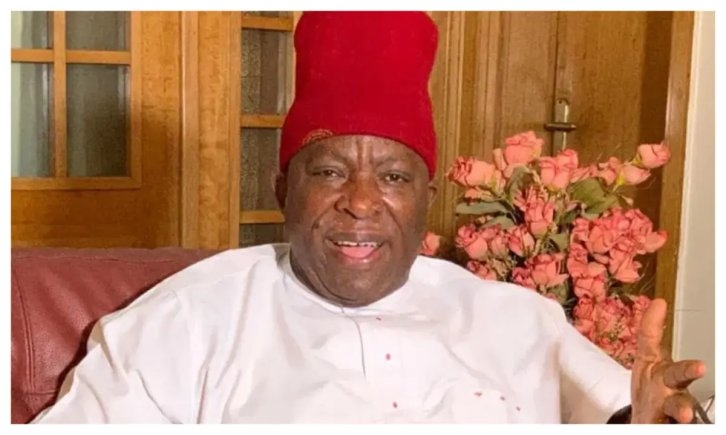
In the same interview, Umeh issued a direct warning to former Nollywood actor Kenneth Okonkwo, who has been publicly criticizing and cursing Obi. Umeh revealed that he had private conversations with Okonkwo, urging him to stop his hostile remarks. Despite the warning, Okonkwo reportedly declared that he would never work with Obi again, stating that it would be “over his dead body.” Umeh expressed concern over such public hostility, suggesting that Okonkwo’s actions could lead to regret in the future.
The tension between Obi and figures like Okonkwo highlights the deep divisions within Nigeria’s political landscape, particularly around issues of integrity and accountability. While some view Obi’s principled stance as a refreshing change, others see it as a threat to the status quo. Umeh’s comments underscore the growing polarization around Obi’s political identity, which is increasingly defined by his rejection of financial inducements in governance.
As Nigeria continues to grapple with governance challenges, Obi’s approach may influence how future leaders are perceived and evaluated. His consistent refusal to engage in transactional politics could serve as a benchmark for ethical leadership, especially among younger voters and civil society groups. The debate surrounding his methods will likely persist as the country moves toward upcoming elections and seeks leaders who prioritize public service over personal gain.


![Kidnappers of Ex-Minister Adelabu’s Sister and Sons Arrested in Dramatic Rescue Operation [Photos]](https://www.nigerianupdates.com/wp-content/uploads/2026/06/kidnappers.jpeg)
Leave a Comment