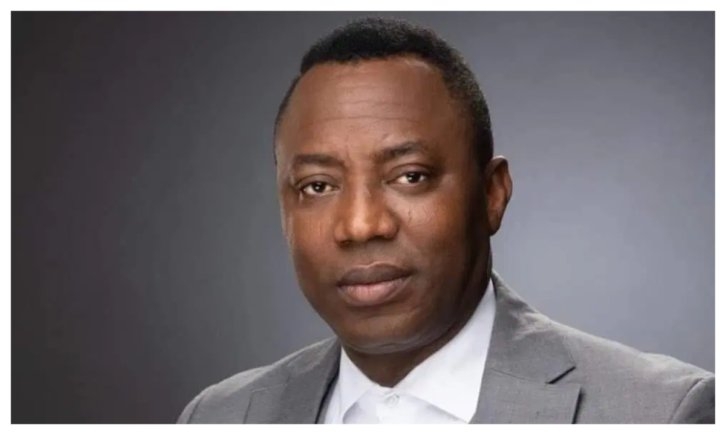
Omoyele Sowore, presidential candidate of the African Action Congress (AAC), has raised serious concerns over discrepancies in the academic credentials submitted by President Bola Tinubu to the Independent National Electoral Commission (INEC) for the 2027 general elections. In a statement delivered to journalists on Monday, Sowore highlighted that the university certificate presented by Tinubu this year differs from the one he submitted during his 1999 gubernatorial election campaign in Lagos State. He urged Nigerians to be cautious about voting for candidates whose educational records cannot be independently verified.
Sowore specifically pointed out that Tinubu’s current submission includes a certificate from Chicago State University, which contrasts with the document he provided two decades ago. This inconsistency has sparked public scrutiny and intensified debates about transparency in Nigeria’s electoral process. The activist emphasized that such discrepancies undermine trust in the integrity of political aspirants and their qualifications for national leadership.
INEC officially released the credentials and biographical details of all presidential candidates on Friday, as part of its routine disclosure ahead of the upcoming elections. While the commission’s publication was meant to promote transparency, it instead became the focal point of controversy due to the missing primary and secondary school certificates of President Tinubu. These documents are typically required for verification under Nigerian electoral guidelines, and their absence has drawn criticism from various quarters.
The issue has reignited long-standing questions about Tinubu’s educational background, particularly given his prominence in Nigerian politics. Critics argue that without verifiable records from all levels of education, voters cannot fully assess a candidate’s credibility. Sowore’s allegations have added momentum to calls for greater accountability and thorough vetting of candidates before elections.
Despite the uproar, INEC has not yet responded to the specific claims made by Sowore regarding the university certificates. The electoral body continues to emphasize its commitment to ensuring fair and transparent elections, but public confidence remains strained. As the 2027 election approaches, these revelations may influence voter behavior and deepen scrutiny of candidates’ backgrounds.
This development underscores the growing demand for transparency in Nigeria’s democratic processes. With elections looming, citizens are increasingly insisting on full disclosure and verifiable information from all political aspirants. The debate over Tinubu’s credentials is likely to remain a key talking point in the months ahead, shaping public discourse and possibly affecting voter decisions across the country.


Leave a Comment