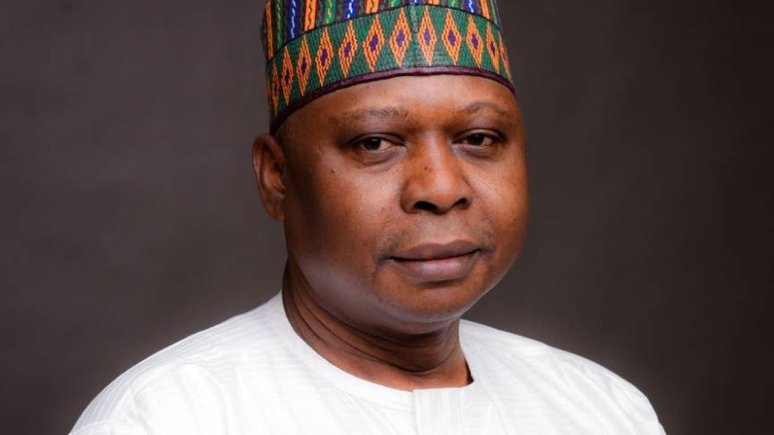
The recent Supreme Court judgment has left the Peoples Democratic Party (PDP) without a clear leadership structure, according to a faction linked to former minister Tanimu Turaki, raising serious concerns about the party’s internal stability and democratic governance. The group, through its spokesperson Ini Ememobong, described the ruling as a critical turning point for Nigeria’s main opposition party. The decision, delivered by a five-member panel of the Supreme Court of Nigeria, upheld earlier rulings by the Court of Appeal and the Federal High Court that nullified a PDP convention held in Ibadan. The majority of the justices, three out of five, dismissed the appeal on the grounds that the appellants had acted in disobedience of a prior court order, meaning parties found in contempt could not seek judicial relief.
The minority justices, however, strongly disagreed with the majority’s approach. They argued that the dispute was an internal party matter and that the courts should not have intervened, as no government agency was involved. The dissenting judges also criticized the majority for raising legal points without giving the parties an opportunity to respond, which they viewed as a procedural flaw. This split decision has deepened the existing rift within the PDP, especially as key figures have already been suspended in recent months, further weakening the party’s leadership framework.
The Turaki-aligned faction emphasized that the Supreme Court’s outcome, combined with the suspensions, has created a leadership vacuum within the party. “This effectively leaves the PDP without a defined leadership,” the group stated, warning that the situation could undermine not only the party’s credibility but also Nigeria’s multi-party democratic system. They called on all PDP organs to act swiftly to restore order, legitimacy, and internal harmony. Without immediate action, the faction cautioned, the party risks further fragmentation and loss of public trust.
The ruling has sparked renewed debate over the role of the judiciary in resolving internal party disputes. While some argue that courts should remain neutral in political party matters, others believe legal processes must be followed to ensure fairness. The PDP’s leadership crisis now stands at a crossroads, with the party’s future and its ability to challenge the ruling All Progressives Congress (APC) in upcoming elections hanging in the balance. As the political landscape continues to shift, the resolution of this internal conflict will be closely watched by stakeholders across Nigeria’s democratic spectrum.


Leave a Comment