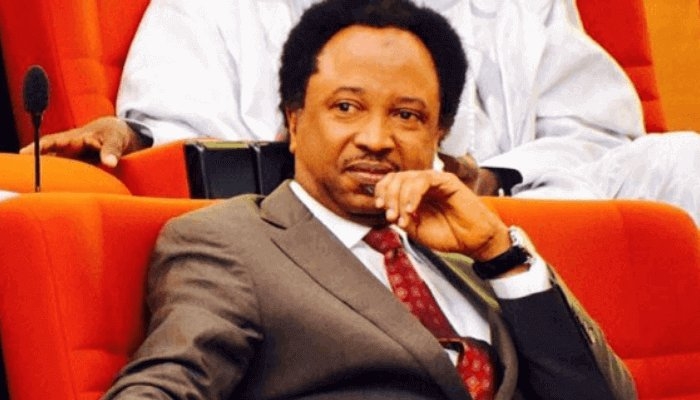
Former Nigerian senator and political commentator Shehu Sani has publicly mocked leaders of the African Democratic Congress (ADC) and their supporters for attacking former presidential candidates Peter Obi and Rabiu Kwankwaso after they announced their decision to leave the party. The development has sparked a wave of political commentary and tension ahead of the upcoming 2027 general elections. Obi and Kwankwaso, who both contested the 2023 presidential election, have formally exited the ADC, a move that has drawn sharp criticism from some party members, particularly those aligned with former Vice President Atiku Abubakar.
The ADC, which had positioned itself as a key opposition party, saw Obi and Kwankwaso as central figures in its 2023 campaign. However, their departure has been met with hostility from certain factions within the party. Supporters of Atiku Abubakar have been especially vocal, launching verbal attacks on Obi, Kwankwaso, and their allies, accusing them of betrayal and undermining the party’s unity. These criticisms have intensified as speculation grows about Obi and Kwankwaso’s next political moves, with many believing they are exploring alliances with other opposition parties.
In response, Shehu Sani took to his Facebook page to defend the two leaders, framing their exit as a strategic and necessary decision. He argued that Obi and Kwankwaso recognized the internal power struggles and manipulation within the ADC and chose to leave before being exploited. Sani wrote, “Marriage is not by force. Most of the people attacking Peter and Kwankwaso are ADC people who wanted to use them for power rituals.” He further added, “They wanted to rob Peter to pay Paul. Peter sighted the gang at Gwagwalada and he ran away.” The metaphor underscores his belief that Obi and Kwankwaso were being used as pawns in a larger political game.
Sani’s comments reflect a broader narrative of political distrust and shifting alliances in Nigeria’s fragmented opposition landscape. His use of the Gwagwalada reference — a location associated with political maneuvering and backroom deals — adds a layer of symbolism to his critique. The ADC, once seen as a unifying force for opposition voices, now appears divided, with internal power dynamics influencing its direction and credibility.
As Nigeria prepares for the next electoral cycle, the departure of high-profile figures like Obi and Kwankwaso will likely reshape the political map. Their exit from the ADC may signal a realignment of opposition forces, possibly leading to new coalitions or even the formation of a new political party. The reactions from within the ADC highlight the challenges of maintaining unity in a party with diverse interests and ambitions.
The coming months will be crucial in determining how Obi and Kwankwaso will position themselves politically. Their next steps could influence voter sentiment and party dynamics across the country. For now, Sani’s remarks serve as a reminder that in Nigerian politics, loyalty is often transactional, and survival depends on strategic choices. The political landscape remains fluid, and the decisions made today will shape the future of opposition politics in Nigeria.



Leave a Comment