![Rep Chidi Wihioka Presents Document Proving Rotimi Amaechi Is Not Indigenous to Ikwerre [VIDEO]](https://www.nigerianupdates.com/wp-content/uploads/2026/09/Chidi-Wihioka.jpeg)
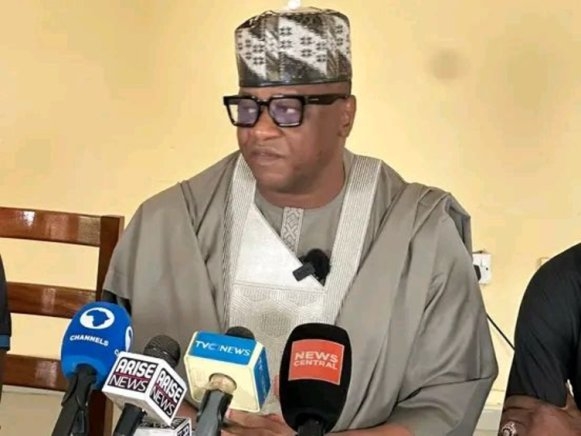
Elder Chidi Wihioka, a member of the House of Representatives representing the Ikwerre/Emohua Federal Constituency in Rivers State, has publicly challenged Rotimi Amaechi, the vice presidential candidate of the African Democratic Congress (ADC), over his claim to be an indigene of Ikwerre Local Government Area. In a viral video shared on social media, Wihioka stated that he possesses official documentation proving Amaechi’s non-indigenous status and promised to release it if the former Minister of Transportation makes any derogatory remarks against him.
Wihioka emphasized that his evidence relates to the historical political restructuring efforts during the push to create Bayelsa State, a period when boundaries and ethnic affiliations were formally documented. He stressed that the document he holds is authentic and directly connects to the administrative records from that era. “He cannot say he is a son of Ikwerre land because there is a document I have and I will bring it out if he says he is a son of Ikwerre land,” Wihioka declared in the clip.
The lawmaker further expressed disappointment, saying Amaechi was once considered like a son to him but no longer holds that position due to the alleged misrepresentation. This statement reflects growing tensions within the Ikwerre community over identity and political representation, especially as major elections approach. The controversy adds another layer to Nigeria’s ongoing debates about tribal authenticity and political legitimacy.
Amaechi, who has long been a prominent figure in Nigerian politics, particularly in Rivers State, has not yet responded publicly to Wihioka’s claims. However, the allegations have sparked widespread discussion across social media platforms, with many users demanding transparency and accountability from political aspirants. The issue also raises broader questions about how indigenous status is verified and used in Nigerian electoral politics.
As the 2027 general elections draw nearer, such disputes are likely to intensify, especially in ethnically diverse regions like Rivers State. Political figures will need to carefully navigate claims of origin to maintain credibility among voters. Wihioka’s bold move underscores the importance of documentation and truth in public discourse, setting a precedent for future challenges in Nigerian politics.


Leave a Comment